Home » How to Transform Your Fashion Brand with Digital Fashion Showroom
How to Transform Your Fashion Brand with Digital Fashion Showroom
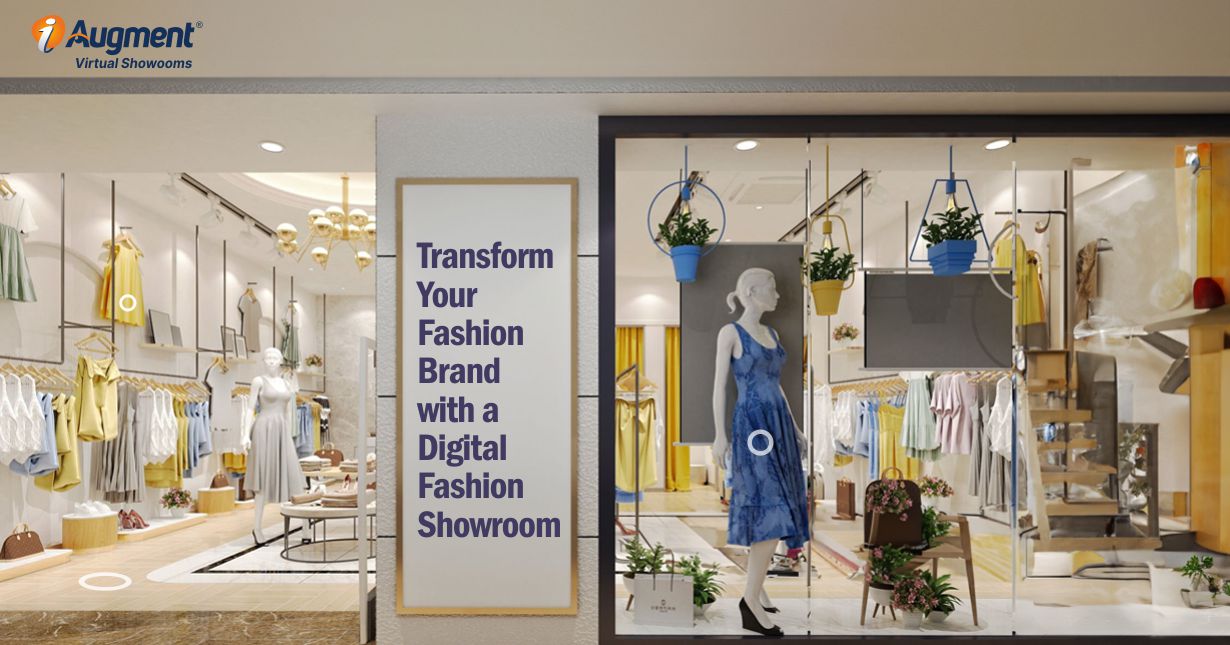
Every fashion brand wants to stay ahead in the competitive digital market. Business owners need a solution that is competitive and helps them improve their website user experience. A digital fashion showroom can help you with this.
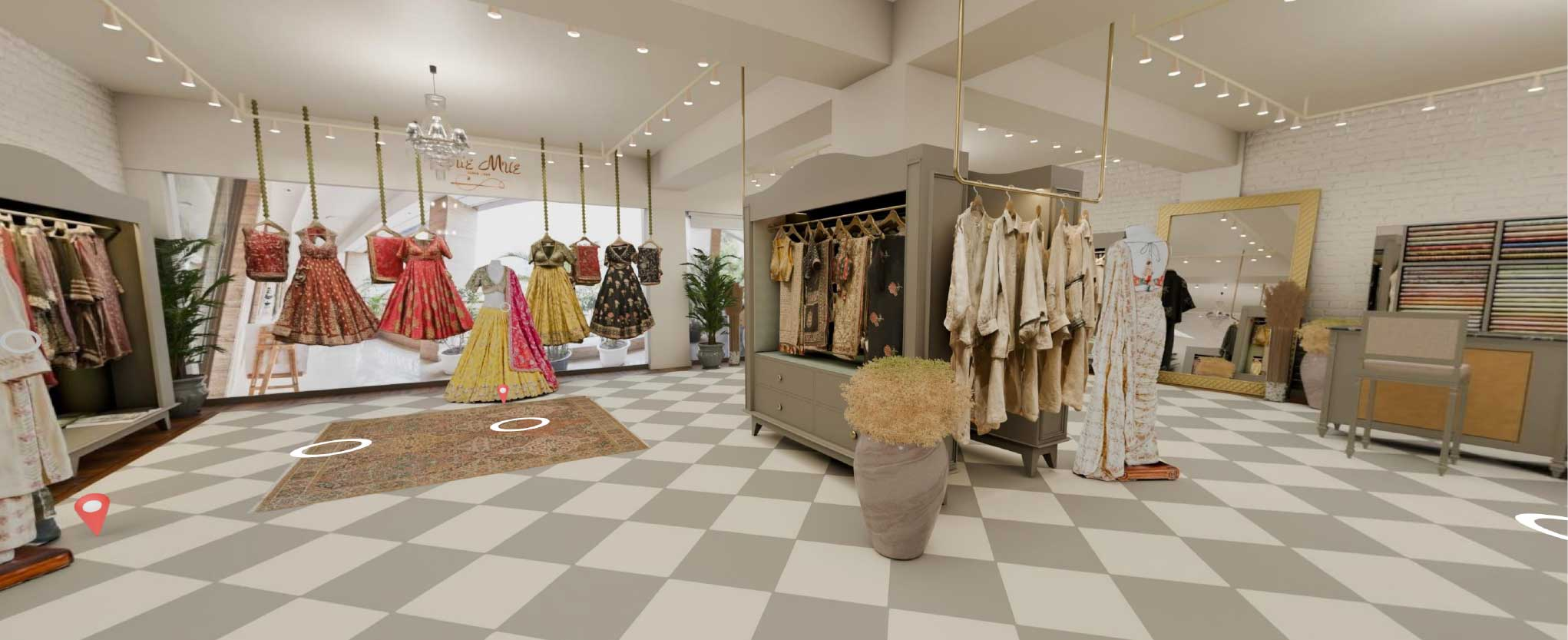
It brings your product to life in a virtual space. Many businesses rely on static images and videos to display their product, which is fruitful but only to an extent. On the other hand, virtual fashion showrooms give them a store experience virtually without leaving their couch.
However, if you have doubts, imagine yourself in the user’s shoes and ask yourself: Could it cut returns? Could this boost sales? Can it help you reach buyers globally?
This blog will help you understand the benefits of digital fashion showrooms, why it’s the future, and how to transform your fashion brand into a virtual online store.
Implementing a modern virtual fashion showroom gives your brand a set of strong advantages. Below are the key benefits.
1. Quick Selling
A virtual fashion showroom lets shoppers view apparel from multiple angles quickly. They can rotate, zoom in, and see every detail closely and immediately. This reduces long waits for product photography. It cuts lead time between design and launch. It speeds up decision-making for your customers.
2. Sustainable
Without needing a physical sample or a large inventory, you can avoid overproduction and limit waste. Virtual online stores ensure you produce only what sells. That can reduce fashion waste drastically
3. Reduce Returns
One of the major costs for fashion retailers is returns. Many returns happen due to the garment’s fit or a different look than expected. Virtual fitting tools help customers preview fit more realistically. A DataHorizzon Research shows a reduction in return rates by up to 40%.
Another source notes 52% of apparel retailers saw return rates fall after they adopted virtual fitting and visualization tools.
With a digital fashion showroom, you can test new styles before production. You can determine consumer interest through clicks and views. This lets you plan drops, capsule collections, or seasonal lines with real data.
5. Merchandising
A digital fashion showroom offers you full control over how products appear. Group outfits, showcase collections, and mix and match sets to make merchandising much more dynamic. You can highlight trending items, bundle products for cross-sell, or rotate collections fast to keep your catalog fresh.
6. Better Response
When you have user behavior data, you can react fast. Spot a trendy style? Push it harder. See a design underperforming? Adjust quickly. This ability offers you an edge in a fast-moving market.
7. Cost-Efficient
Once the 3D models are ready, you can reduce large expenses for photography, sample creation, and warehouse overhead. You can cut storage, shipping, and return costs. Over time, you will be able to save a substantial amount of money and resources.
Understand the benefits and applications of virtual shoe try-on for footwear.
8. Reach Boost
A digital showroom is accessible anywhere. A US retail owner can reach buyers across states. Even global shoppers can browse and buy. This expands the potential market far beyond physical store limits.
9. Real-Time Analysis
You get instant data relating to views, clicks, conversions, size picks, and color preferences. This helps you give insights into what sells and what doesn’t. You can use this to forecast demand, order inventory, and plan new drops.
10. Global Reach
With a digital fashion showroom, your brand is no longer limited to your local market. Buyers from other states or countries can log in, browse, and purchase instantly. This opens new revenue streams and diverse customer bases.
Know how a virtual showroom helps in reducing the churn rate.
Why Digital Showrooms Are the Future
User demand for immersive online retail experiences is growing rapidly, and fashion brands are evolving quickly. Many brands are moving online. Customers expect more than flat photos. They expect interaction. Therefore,
Around 48% of fashion brands already use virtual showrooms for consumer engagement. (WifiTalents)
Over half of apparel merchants have adopted 3D product visualization as part of digital conversion efforts. (Gitnux)
Retailers adopting virtual fitting tools report return rates dropping. Some see reductions of up to 40%. (DataHorizzon Research)
The global market for digital fashion and virtual apparel is growing fast. One report shows value rising from roughly $2.9 billion in 2025 to a much larger figure in the coming years. (Business Research Insights)
This growth highlights that both consumers and brands are eager to embrace the new model. Younger shoppers expect interactive shopping. They demand realistic previews before purchase. This digital shift is accelerating.
For retailers, the message is clear. If you stick only to traditional online catalogs, you risk falling behind. Brands that adopt a virtual fashion showroom will win.
Elevate Your Brand with a Digital Fashion Experience
How to Transform Your Fashion Brand with a Digital Showroom
Implementing a digital fashion showroom takes planning. However, the process is manageable. Here are steps that you can take to move from a regular online store to a virtual showroom presence.
1. Assess Your Catalog and Prioritize
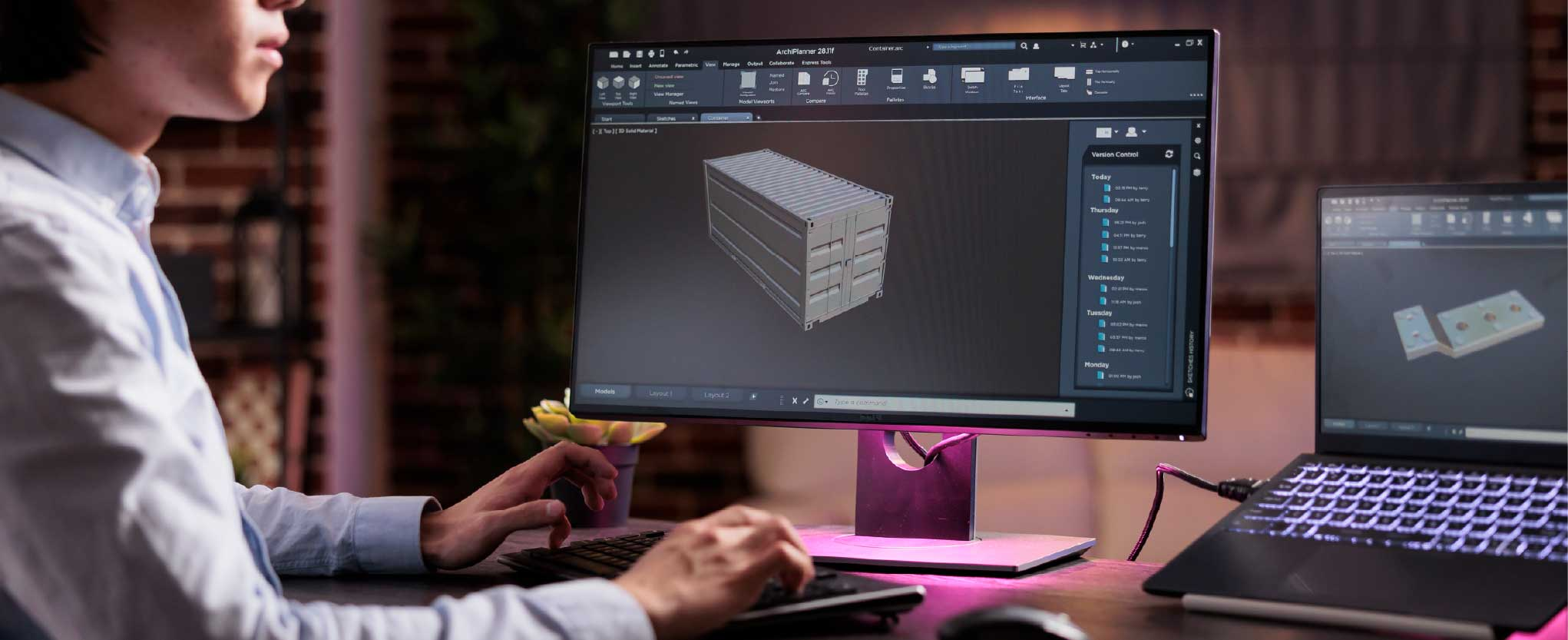
List all products, but choose 10-20 key items first. Pick those with a high return history or high sales potential. These will be your pilot items. Convert these items into 3D models or high-quality renders. Some companies offer scanning of actual garments. Others let you create virtual versions from design files.
2. Choose the Right Technology Partner
Many vendors offer virtual fashion showroom solutions. Some specialize in AR/VR. Others support 3D product display and virtual try-on. Look for a provider that matches your budget and volume.
Check integration with your current eCommerce platform. Make sure it’s compatible with your catalog management and checkout flow.
3. Build a Virtual Online Store Layout
Map out how you want to display your virtual showroom. Organize collections logically. Create “rooms” for new arrivals, best sellers, and seasonal drops. Design navigation that feels intuitive.
4. Add Virtual Try-On or Virtual Fitting Tools
For apparel, try-on capability is a major conversion driver. It offers customers tools to see fit, drape, and styling on a virtual avatar or model. This reduces uncertainty and builds confidence.
5. Go Mobile-Friendly
Many shoppers use phones. Make sure your virtual online store works smoothly on your mobile. That means fast loading 3D models, smooth interaction, and a simple interface.
6. Use Data Analytics from the Start
Track user behavior. See what items get the most views, attempts to try on, and conversions. Use that data to guide restocking, promotions, and new product design.
7. Market the Digital Fashion Showroom to Your Audience
Tell customers that you now offer immersive shopping. Use email campaigns, social media, and ads. Highlight benefits: try-on before buying, avoid returns, shop globally, and new experience.
8. Expand Gradually
Once your pilot items succeed, expand to the full catalog. Add more categories. Explore accessories, outerwear, and exclusive drops. Use customer feedback to refine your virtual store experience.
9. Train Your Team
Your operations team needs to manage 3D assets, updates, and analytics. Your marketing team needs to adopt new copies, visuals, and messaging. Customer support may need new scripts to guide virtual try-on users.
10. Measure Performance and Iterate
After launching, monitor conversion rates, average order value, return rates, and session time. Use these metrics to refine product placement, visuals, and user flow.
A digital fashion showroom is not a fad. It is rapidly becoming a new standard. For fashion brands, it can be a game-changer. It offers faster selling, lower returns, cost savings, and global exposure.
It lets you react to market demand quickly and plan your inventory smartly. It gives customers a richer online shopping journey. If you want to stay competitive and grow, a digital fashion showroom is a smart move.
It taps into shifts in technology and consumer behavior. It gives you a modern, scalable platform. It lets your brand reach new markets. Making an investment now can yield strong returns later. It will help your fashion brand thrive in a digital world.
Turn Browsers into Buyers with Visual Commerce Now!
See how digital fashion showrooms transform fashion brands — boosting conversions, reducing returns, and unlocking global audience engagement.
Frequently Asked Questions
Q. How does a virtual store work?
A. A virtual showroom works by using interactive online platforms and immersive technology like 3D modeling and augmented reality. It works using:
Product digitization
Interactive exploration
Integrating the shopping experience
Sales and support
Data Analytics
All this combined makes a virtual store work and delivers customers with an immersive virtual store experience.
Q. What is a virtual experience?
A. Virtual store experience is a computer-generated simulation of a 3D environment designed to interact with in a seemingly real way. This happens with the use of specialized hardware and software that engage the user’s senses (primarily sight and sound) to craft a profound sense of presence, making them feel physically located within the digital environment.
Q. What does virtual store mean?
A. A virtual store refers to a retail environment that uses immersive technologies like 3D modeling, augmented reality (AR), and virtual reality (VR) to replicate and improve the experience of shopping in a physical store.
It goes beyond a standard eCommerce website (which is more like a digital catalog) to deliver a highly interactive and engaging shopping journey.
Q. What are virtual showrooms?
A. A virtual showroom is an online store that offers an interactive 3D environment where brands display their products using immersive technologies like augmented reality (AR) and virtual reality (VR).
It offers a simulation of a physical showroom experience accessible 24/7 from anywhere in the world. Additionally, it lets customers and wholesale buyers explore, customize, and purchase products remotely.
Q. What is digital fashion?
A. Digital fashion refers to clothing and accessories created using 3D software and computer technologies. Rather than physical materials. These garments exist purely in the virtual realm and are utilized in various digital environments, such as video games and social media.