Introduction
Present-day businesses no longer thrive on novelty. They need modern solutions like digital showrooms for effective product demonstrations for high-value B2B and high-volume B2C commerce.
In an environment where customer attention spans are short and decision cycles are faster, companies must offer a more engaging way to customers to explore, see, and evaluate products before they decide on purchasing them.
According to a Gartner report, over 80% of B2B sales interactions will take place through digital channels by 2026. On the other hand, McKinsey reports that over 70% of B2C shoppers expect rich product experiences before purchasing.
These shifts have created a major problem for brands that still depend on static catalogs, physical showrooms, and sales calls. Customers now want clarity. They want to experience the product and interact with it before buying.
In this blog, we will discuss how a digital showroom changes product demonstration across different teams. Along with that, we will cover business benefits, practical use cases, best practices, and how companies can use this technology as a revenue growth engine.

Why Digital Showrooms are Replacing Traditional Product Demos
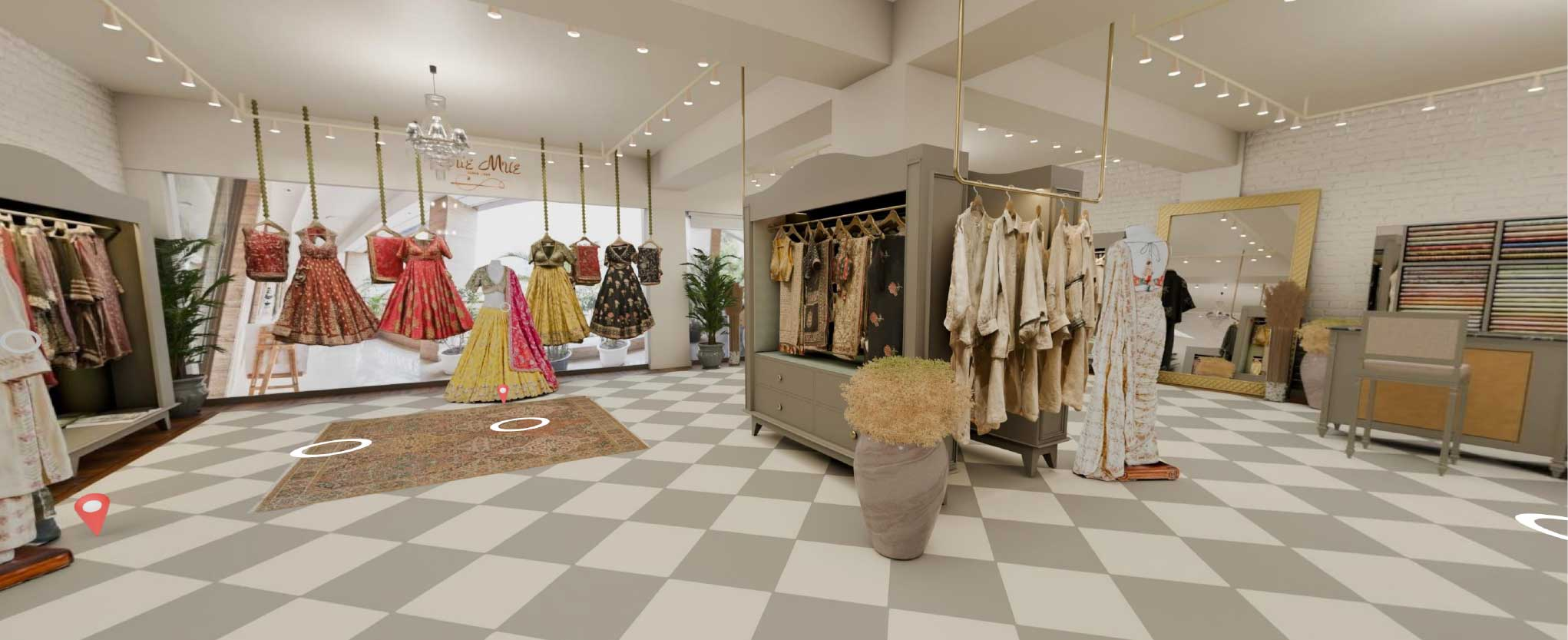
Whether it’s B2B or B2C, buyers want more than just a brochure or static images. They want to experience more relatable scenarios. A digital showroom helps buyers with a guided, interactive, and visual product journey that works for both B2B and B2C sales models.
Know how to implement AI guided virtual showroom.
For B2B teams, product complexity is increasing. Machinery, software, industrial equipment, medical devices, and custom products all require explanation. A digital showroom permits the sales team to show product features, variations, and use cases in a way that static PDFs cannot deliver.
Similarly, for B2C brands, competition is fierce. A product page with only images and text does not give shoppers confidence. A digital showroom bridges that gap by allowing buyers to rotate, compare, and explore products in real time.
This is why more companies now view digital showrooms as a core SaaS tool and a critical eCommerce tool rather than a marketing add-on.
Key Business Benefits of Digital Showroom for Product Demonstration

Lower Operating Costs Without Reducing Impact
Physical showrooms require rent, logistics, staff, and product shipping. A digital showroom removes most of those expenses while keeping the sales experience rich. Companies can show their entire product catalog without shipping a single unit.
Understand how a 3D product configurator is the perfect sales booster for a furniture website.
Sales teams no longer need to travel with samples. Marketing teams do not need to print new materials every time a product changes. This cost efficiency makes a digital showroom a practical SaaS tool for both growing brands and enterprise organizations.
Faster Time to Market
Launching a new product in a physical showroom can take weeks or months. With a digital showroom, updates go live instantly. New models, new features, and new pricing can be published without delay.
This speed is critical for B2B firms that release upgrades often. It is also vital for B2C brands that follow seasonal or trend-driven product cycles. Faster updates lead to faster sales.

Get your personalized digital showroom

Global Reach Without New Locations
A physical showroom serves one city. A digital showroom serves the world. Buyers in any region can explore products in the same way as a visitor sitting inside a flagship store. This helps companies scale into new markets without opening offices or shipping demo products. It also supports channel partners who need consistent product presentation across territories.
Discover how a virtual showroom creates an immersive experience in real estate
Immersive and Interactive Experiences
A digital showroom transforms passive browsing into active exploration. Buyers can zoom, rotate, compare, and inspect products from every angle. This makes product demonstration more engaging and more convincing.
For B2B, this means better product education. For B2C, it means higher confidence and lower return rates


Actionable Data on Buyer Behavior
Every interaction inside a digital showroom creates data. Companies can see which products attract attention, which features buyers explore, and where they drop off. This insight helps marketing and sales teams improve messaging and improve conversion.
This level of visibility is why many organizations now view a digital showroom as both a sales platform and an analytics engine.
Find out how virtual try-on enriches customer experience in Japan.
How Digital Showroom Transforms Product Demonstration in Real Use

Advanced Product Visualization
A digital showroom provides detailed 3D views, zoom controls, and realistic textures. This helps buyers understand materials, dimensions, and features. For B2B buyers evaluating large purchases, this clarity shortens decision cycles.
For B2C shoppers, it replaces the need to imagine what a product looks like. They can see it.
Richer customer Experience
Buyers do not want to read long specifications. They want to explore. A digital showroom turns product discovery into a guided experience that feels intuitive and informative. This is where digital showroom platforms outperform traditional product pages and even video.


Clear and Persuasive Presentation
A digital showroom lets brands show products in context. A sofa inside a virtual showroom. A machine inside a factory floor. A device inside a real use case. This makes product demonstrations more believable. It also helps sales teams tell better stories.
Phygital showroom in retail: From smart stores to virtual showroom
Cost-Effective Product Communication
Once a digital showroom is live, every new visitor can explore the product without additional cost. This makes it one of the most efficient eCommerce tools for product education. It also acts as a long-term SaaS tool that supports sales, marketing, and customer success teams.


Time Savings for Sales Teams
Sales reps can send a digital showroom link instead of booking a live demo. Buyers can explore at their own pace. This saves time while keeping engagement high. This is especially valuable for B2B sales where decision makers are spread across regions and time zones.
Increase your website conversion by 30%
Wider Reach Across Channels
A digital showroom works on websites, sales portals, partner sites, and marketplaces. It supports both B2B and B2C sales channels. This gives the brand a consistent product demonstration everywhere buyers are.


Always Updated Product Information
When products change, the digital showroom updates. Buyers always see the latest version. This avoids confusion and builds trust.
Learn the top phygital trends that are reforming retail and eCommerce.
Best Practices That Make Digital Showrooms Convert
Use Lightweight and Fast Models
Heavy 3D models slow down pages. Fast-loading assets improve engagement. This is vital for both B2B buyers on corporate networks and B2C shoppers on mobile devices.
Define Clear Business KPIs
Every digital showroom should support business goals. These may include lead generation, product engagement, or conversion rate. Without KPIs, teams cannot measure success.
Invest in High Quality Brand Content
A digital showroom is not just about models. It is about storytelling. Images, descriptions, and product highlights should reflect brand voice and market positioning. This is where many companies separate themselves from competitors.
Create Curated Product Collections
Grouping products into themed collections helps buyers explore ideas rather than individual SKUs. This supports upselling and cross-selling.
Build Interactivity into the Experience
Hotspots, guided tours, and comparison tools keep buyers engaged. These features turn a digital showroom into a living sales environment.
Know the difference between CX and UX.
Design with Accessibility in Mind
Every buyer should be able to navigate and understand the showroom. This improves reach and supports compliance.
Keep Digital and Physical Displays Aligned
What buyers see online should match what they see in stores or sales calls. Consistency builds trust.
Make the Buyer Journey Clear
Navigation, labels, and call to action should guide users. A digital showroom should feel easy to use.
Why Business Leaders Now See Digital Showrooms as Core Infrastructure
Many companies first adopt a digital showroom as a marketing experiment. Over time, it becomes a revenue engine. Sales teams use it to explain products. Marketing teams use it to attract traffic. ECommerce teams use it to drive conversion.
This is why modern brands treat a digital showroom as both a SaaS tool and an eCommerce tool. It connects product, sales, and content into one platform. The best digital showroom tool allows companies to manage products, track engagement, and connect to sales systems.
Find out what video commerce is and how important it is.
It also works as an eCommerce integration tool that fits into existing websites and platforms. When companies choose the best digital showroom tool, they gain a single source of truth for product experience. When they use a strong eCommerce integration tool, they connect that experience to shopping carts, CRM systems, and analytics.
Digital Showroom in B2B Sales Environments
B2B buyers make careful decisions. They want details. They want clarity. And they want to compare options. A digital showroom gives them all of this without pressure. Sales reps can use a digital showroom during calls. Buyers can explore it after meetings.
Procurement teams can review it before approval. This makes product demonstration a continuous process rather than a single event. It also supports account-based selling, where each buyer may see a different product mix.
Digital Showroom in B2C Commerce
For B2C brands, a digital showroom boosts engagement and confidence. Shoppers stay longer. They view more products. They feel more informed. This leads to higher conversion rates and fewer returns. It also improves brand perception. As an eCommerce tool, a digital showroom acts as a bridge between inspiration and purchase.
Understand why an omnichannel retail solution is perfect for your business.
Conclusion
A digital showroom has become one of the most powerful tools for modern product demonstrations. It reduces costs, speeds up launches, expands global reach, and creates engaging buyer experiences. It also provides data that helps companies refine their sales and marketing strategies.
For B2B and B2C brands alike, this technology supports how buyers now want to explore and understand products. It works across websites, sales portals, and commerce platforms. Companies that invest in digital showrooms saw a positive revenue growth.
They meet the buyer’s expectations. They shorten sales cycles, increase confidence, and convert more visitors into customers. For business leaders planning a website upgrade, migration, or digital transformation, adopting a digital showroom is no longer optional. It is a competitive advantage that drives traffic, leads, and revenue.
Frequently Asked Questions
Q. How does a digital showroom improve product demonstration for modern businesses?
A. A digital showroom improves product demonstration by allowing buyers to explore products visually and interactively. Instead of static images, users can view products in detail, understand features, and see use cases in context. This approach helps build clarity and confidence.
For modern businesses, it supports faster decision-making, better engagement, and consistent product presentation across channels. It also works as a scalable SaaS tool that supports both sales and marketing teams.
Q. Why are digital showrooms becoming important for B2B sales teams?
A. Digital showrooms are important for B2B sales because buyers now prefer digital-first interactions. A digital showroom helps sales teams explain complex products clearly without relying on physical demos.
It supports remote selling, shortens sales cycles, and improves product demonstration consistency. Sales teams can share the same experience with multiple stakeholders. This makes the digital showroom a valuable eCommerce tool and a core part of modern B2B sales strategy.
Q. How can a digital showroom support B2C eCommerce product experiences?
A. In B2C environments, a digital showroom improves product demonstration by making online shopping more engaging. Shoppers can explore products visually, compare options, and understand details before buying. This reduces uncertainty and increases confidence.
As an eCommerce tool, a digital showroom keeps users engaged longer and supports higher conversion rates. It also helps brands present products in a premium way across websites and digital campaigns.
Q. What business problems does a digital showroom solve for product demonstration?
A. A digital showroom solves key challenges in product demonstration, such as limited physical reach, high demo costs, and inconsistent product messaging. It removes dependency on physical samples and locations.
Businesses can present products globally with the same experience for every buyer. It also helps teams update product information quickly. For both B2B and B2C companies, this improves efficiency and supports scalable growth.
Q. How can companies measure ROI from a digital showroom?
A. Companies can measure ROI from a digital showroom by tracking engagement metrics, lead quality, and conversion rates. Data such as time spent, product interactions, and drop-off points show buyers’ interest. Sales teams can link showroom usage to deal with progression.
As a SaaS tool, it provides clear insight into product performance. This data helps businesses improve product demonstrations and justify investment with measurable outcomes.