Introduction
If you run a retail brand, you already know that product experience drives sales. A recent report by Shopify states that products with Understand how 3D models are shaping the future of retail brands and why this shift is a necessity for better conversion and return on investment. or augmented visuals can increase conversion rates by up to 94%. That number is hard to ignore.
You are no longer competing only on price or product quality. You are competing on experience. Static images and basic videos are losing impact. Customers want to explore products before they buy. This is where 3D models change the game.
As a retail owner or market researcher, you are likely exploring better ways to showcase products online. You may also be thinking about how to reduce high return rates in retail. The answer often starts with a better product visualization.
This blog breaks down how 3D technologies are reshaping the future of every retail brand and how you can use them to drive growth.
Learn how stacking helps increase the average order value of a jewelry brand.
Understanding the Shift in Modern Retail
Retail has evolved rapidly in the last few years. Customers today expect more than just product listings. They expect clarity, speed, and confidence before making a purchase.
For a growing retail brand, this shift means rethinking how products are presented online. Traditional images often fail to show scale, depth, and texture. This gap leads to hesitation and lower trust.
This is where 3D models become essential. They bridge the gap between physical and digital shopping. Instead of imagining, they experience.
With the rise of mobile shopping and immersive technologies like 3D augmented reality, the expectations are only getting higher. If your retail brand does not adapt, you risk losing attention to competitors who offer richer experiences.
Understand the top benefits of a virtual showroom for furniture industry.
How 3D Models Help Retail Brand
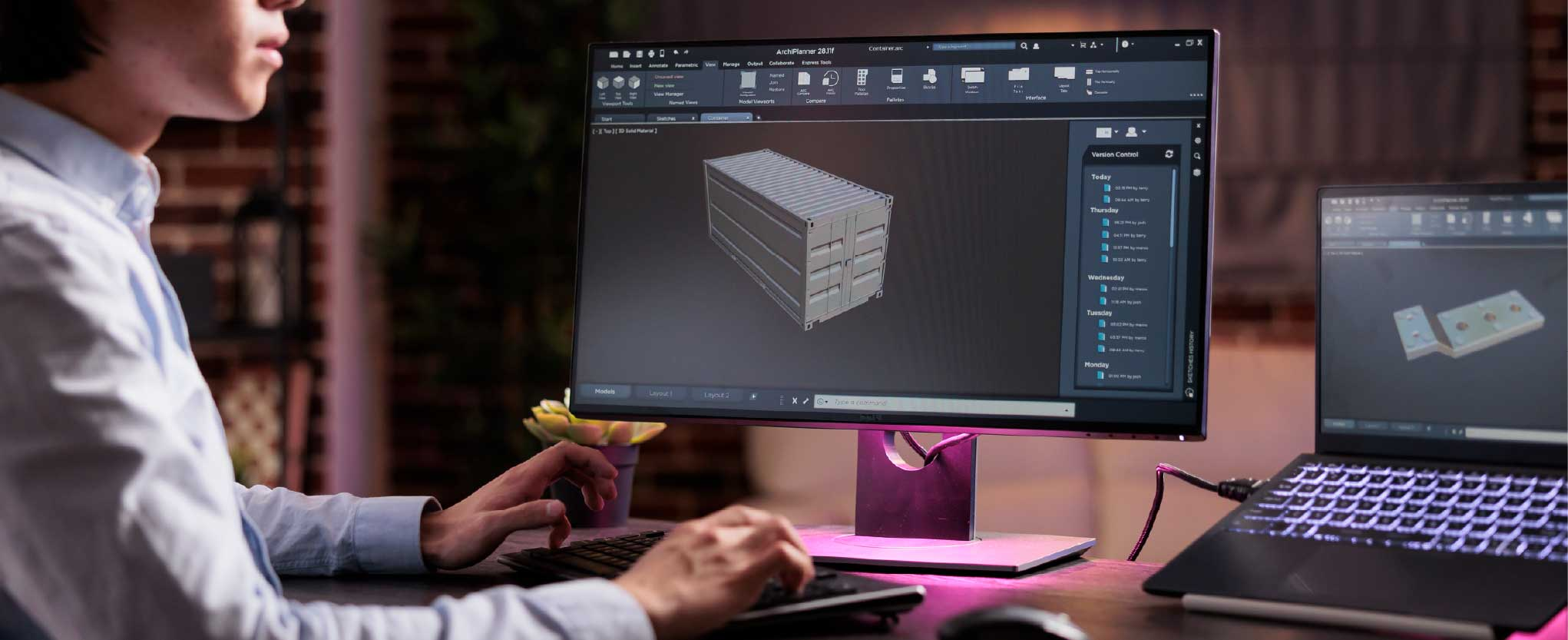
At its core, 3D product modeling is the process of creating a digital representation of a physical product. These models allow your customers to rotate, zoom, and interact with items in real time.
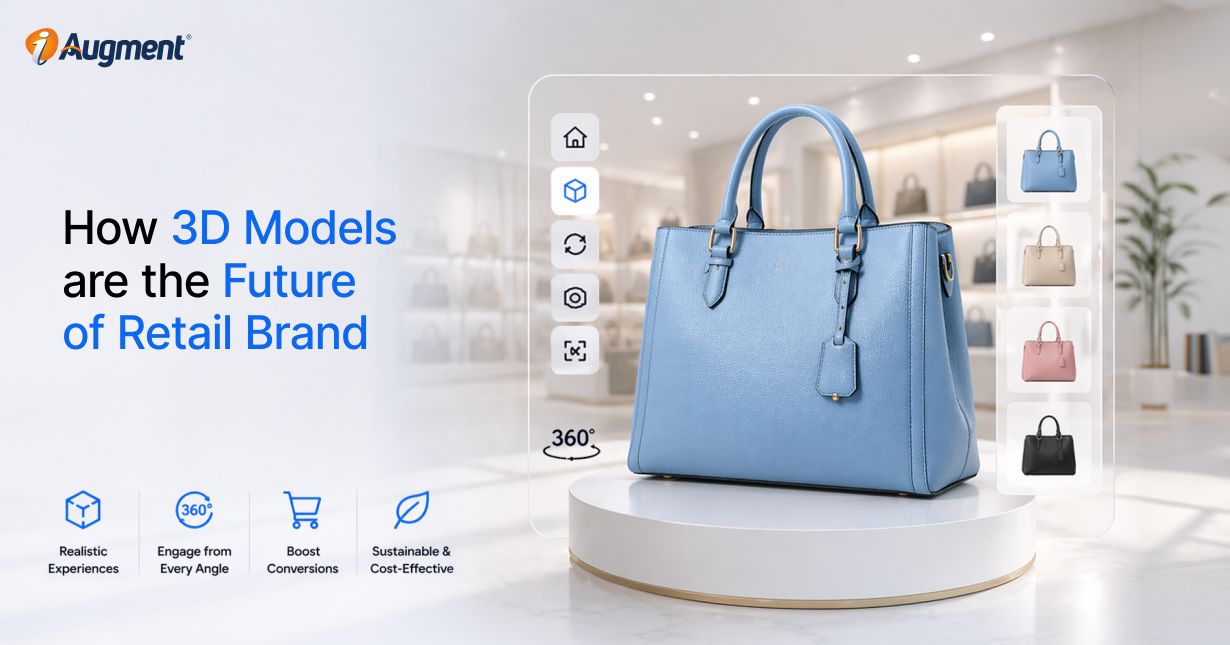
Unlike static images, 3D models create a near physical shopping experience. Your customers can inspect materials, textures, and dimensions. This is especially valuable in retail, where buying decisions depend on visual clarity and scale.
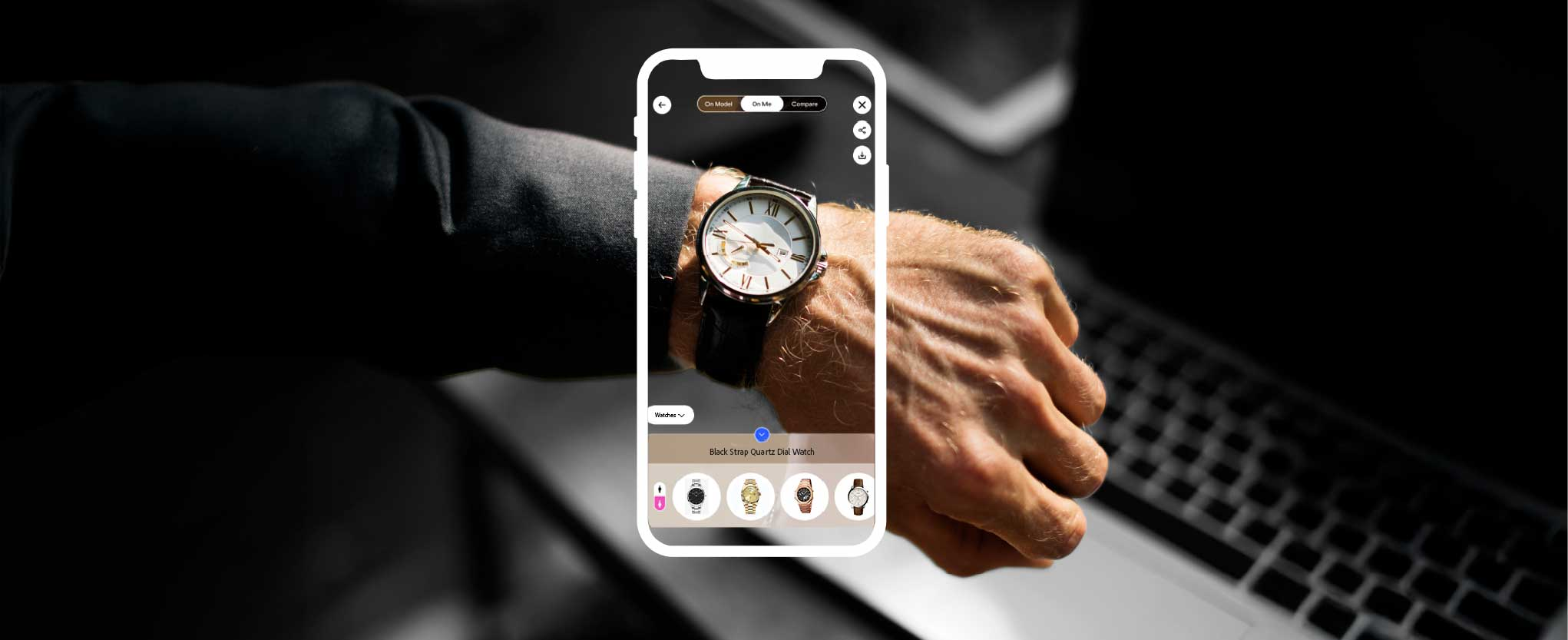
With 3D augmented reality, customers can even place products in their own space using their phone. They can see how a sofa fits in their living room or how a table complements their decor.
For your retail brand, this means higher engagement, better decision-making, and fewer doubts during purchase. It also directly supports your goal of solving how to reduce high return rates
Why Retail Brands Need 3D Visualization
Retail is one of the hardest categories to sell online. Customers cannot touch, feel, or physically test the product. This creates uncertainty. A strong retail brand must address this challenge head-on. This is where 3D models provide a clear advantage.
They help customers understand size, finish, and design in a realistic way. When paired with 3D augmented reality, customers can visualize how a product fits into their personal space. This removes guesswork and increases purchase confidence.
If you are actively searching for ways to reduce high return rates in retail, this is one of the most effective solutions available today.
Learn how you can use virtual showroom to generate more quality leads.
Key Ways 3D Models are Shaping the Future of Retail
1. Enhanced Customer Experience and Interaction
Your customers want control. They want to explore products from every angle. 3D models make this possible. Instead of guessing how a product looks, users interact with it. They rotate, zoom, and inspect details. This builds confidence.
When you integrate 3D augmented reality, the experience becomes even stronger. Customers visualize products in real environments. This creates a deeper emotional connection with your retail brand.

2. Boosted Conversion Rates
Better understanding leads to faster decisions. That is why 3D product modeling has a direct impact on conversions. When customers see exactly what they are buying, hesitation drops. Doubts around size, color, and design are reduced.
For your retail brand, this means fewer abandoned carts and more completed purchases. It also supports your strategy for reducing the high return rates of your retail brand.

3. Reduced Return Rates
Returns are a major challenge for online retail brands. Many returns happen because the product does not meet expectations. With 3D models, customers get a realistic view before buying. They understand dimensions, textures, and proportions better.
3D augmented reality adds another layer of accuracy by showing the product in its own space. This reduces mismatch issues. If your goal is to reduce high return rates in a retail brand, investing in 3D modeling services can deliver measurable results.
Discover how digital showrooms are essential for B2B and B2C product demonstration.

4. Interactive Personalization
Modern buyers expect personalization. They want products that match their preferences. With 3D product modeling, you can allow customers to customize colors, materials, and finishes in real time.
This interactive experience increases engagement. It also gives your retail brand a competitive edge. Customers feel involved in the buying process, which increases satisfaction and loyalty.

5. AR Integration and Product Placement
3D augmented reality takes visualization to the next level. Customers can place products in their homes using mobile devices. This is especially useful for furniture. A customer can check if a product fits the room layout.
For your retail brand, this reduces uncertainty and builds trust. It also shortens the decision cycle, which leads to faster conversions.

6. Improved Efficiency
Beyond customer experience, 3D modeling services also improve internal operations. You can create digital catalogs faster. Product updates become easier. Marketing teams can reuse assets across campaigns.
This reduces dependency on physical photoshoots. It also speeds up product launches for your retail brand.
Boost Conversions and Reduce Returns with 3D Product Visualization
Role of 3D Models in Virtual Showrooms
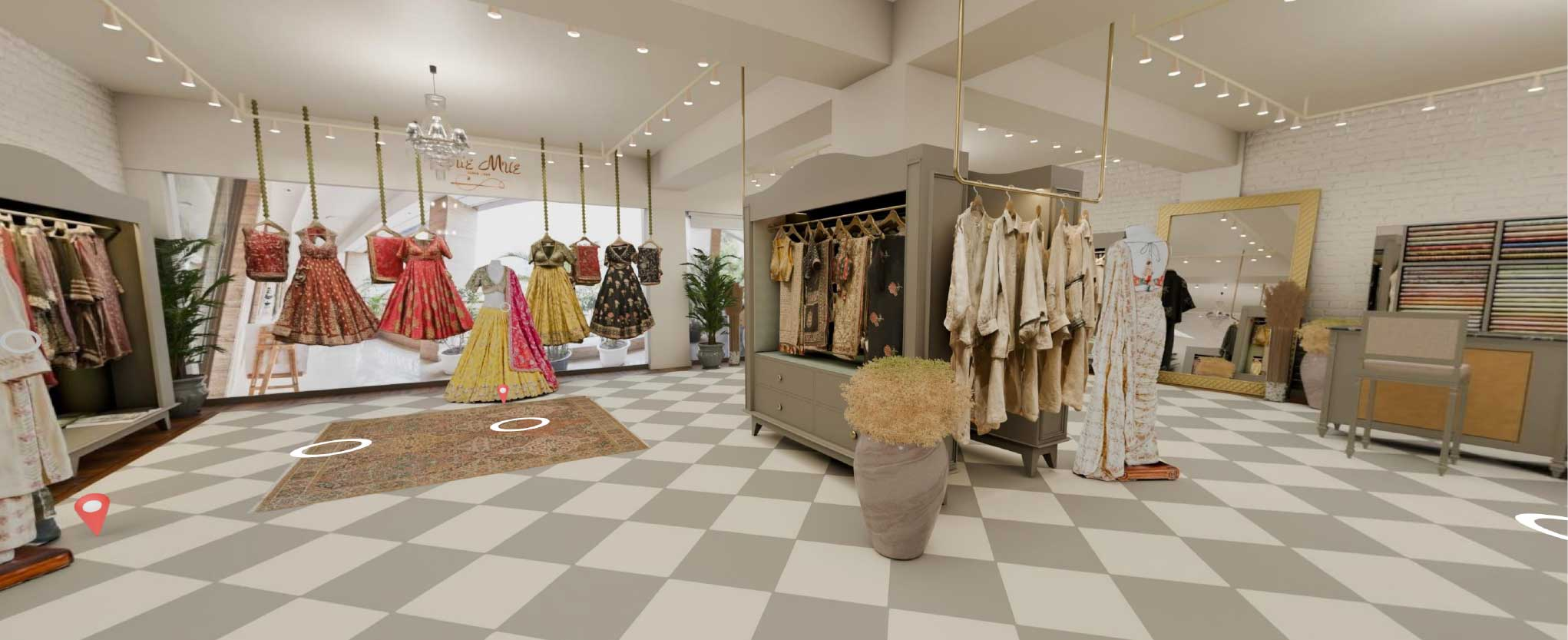
Virtual showrooms are becoming a powerful asset for every retail brand. Instead of listing products on separate pages, you create a complete environment where customers cab browse naturally.
Using 3D models, you can design a virtual living room, office, or workspace. Customers explore products as they would in a physical store. When combined with 3D augmented reality, the experience becomes even more immersive.
Users move from browsing to placing products in their own homes within seconds. This not only improves engagement but also increases the average order value. Customers often discover more products when they see them in context.
Impact on Customer Trust and Buying Confidence
Trust is one of the biggest drivers of online sales. A strong retail brand builds trust through transparency and clarity. 3D models offer that clarity. Customers can inspect every angle and detail before making a decision. This reduces uncertainty and builds confidence.
When customers use 3D augmented reality, they feel more certain about their purchase. They know how the product fits in their space. This reduces anxiety and hesitation. For a retail brand, this level of confidence is critical. It directly impacts both conversions and returns.
Cost vs ROI of 3D Modeling Services
Many businesses hesitate to invest in 3D modeling services because of perceived costs. However, the return on investment often justifies the spend. A single high-quality 3D product modeling asset can be reused across your website, ads, and social media.
This reduces long-term content production costs. For your retail brand, the benefits go beyond cost savings. Higher conversions, lower returns, and better engagement lead to stronger revenue growth.
When you compare this to the cost of returns and lost sales, the investment becomes a strategic move rather than an expense.
Future Trends in 3D Commerce
The adoption of 3D models is only going to increase. As technology improves, the quality and accessibility of 3D augmented reality will continue to grow. More platforms are integrating these features natively.
This means your retail brand will have more opportunities to create immersive shopping experiences without complex development. Artificial intelligence is also entering the space. It is helping automate parts of 3D product modeling, making it faster and more scalable.
For businesses that act early, this creates a strong competitive advantage. You position your retail brand as innovative and customer focused.
Learn how to integrate iAugment virtual try-on with eCommerce platform.
Conclusion
The future of every retail brand lies in immersive experiences. Customers want clarity, control, and confidence before they buy. 3D models deliver all three. By adopting 3D product modeling and 3D augmented reality, you are not just upgrading visuals.
You are transforming how customers interact with your products. If you are serious about growth, now is the time to invest in 3D modeling services. You will see higher engagement, better conversions, and fewer returns.
Most importantly, you will solve critical challenges like how to reduce high return rates in retail while building a stronger connection with your audience.
Frequently Asked Questions
Q. How can 3D models improve my retail brand’s online presence?
3D models make your retail brand more interactive and visually credible. Instead of static images, users explore products in detail. This increases engagement, time on site, and trust. With 3D product modeling, your catalog looks modern and premium.
When combined with 3D augmented reality, customers visualize products in real environments. This creates a strong digital presence that attracts and retains users while positioning your brand as innovative and customer-focused.
Q. How do 3D models increase conversion rates on product pages?
3D models remove uncertainty from buying decisions. Customers can view products from every angle, which builds confidence. 3D product modeling answers key questions about size, design, and usability.
This reduces hesitation and speeds up decisions. When 3D augmented reality is added, users can test products virtually. For any retail brand, this leads to higher add to cart rates and fewer drop-offs, directly improving conversions.
Q. What industries benefit the most from 3D product modeling?
Industries with visual dependency gain the most from 3D product modeling. Furniture, fashion, jewelry, home decor, and electronics benefit heavily. These sectors require detailed visualization before purchase.
3D models help customers understand scale and design clearly. For a retail brand in these industries, 3D modeling services improve engagement and reduce returns. It is especially valuable for businesses exploring how to reduce high return rates in retail.
Q. How does 3D augmented reality work on mobile devices?
3D augmented reality uses a smartphone camera to overlay 3D models into a real environment. Customers open a product page, activate AR, and place the item in their space. This works through web-based or app-based AR technology.
For a retail brand, this means users can test fit, size, and placement instantly. It enhances decision-making and supports goals like how to reduce high return rates in retail eCommerce.
Q. Are 3D models suitable for fashion and jewelry eCommerce?
Yes, 3D models are highly effective for fashion and jewelry. Customers can inspect textures, cuts, and fine details with 3D product modeling. Virtual try-on powered by 3D augmented reality, adds another layer of interaction.
This helps users see how items look before buying. For a retail brand, it improves confidence and reduces hesitation. It also supports personalization, which increases conversions and repeat purchases.