Introduction
3D models have become an important aspect in many industries, but they are not limited to that. They can be used for B2C or on eCommerce websites. Therefore, to get that, you need to first understand their cost analysis and benefit analysis to get a proper idea about them.
Companies are under constant pressure to launch products faster, reduce visual production costs, and all this while delivering immersive experiences. According to a 2023 Deloitte Digital Commerce report, over 72% of B2C and D2C buyers say product visuals strongly influence purchase confidence.
Adobe’s 2024 Digital Trends study further states that businesses investing in advanced visual experiences report up to 30% higher engagement rates compared to static imagery. The problem is clear. Traditional product photoshoots were built for catalogs and print cycles.
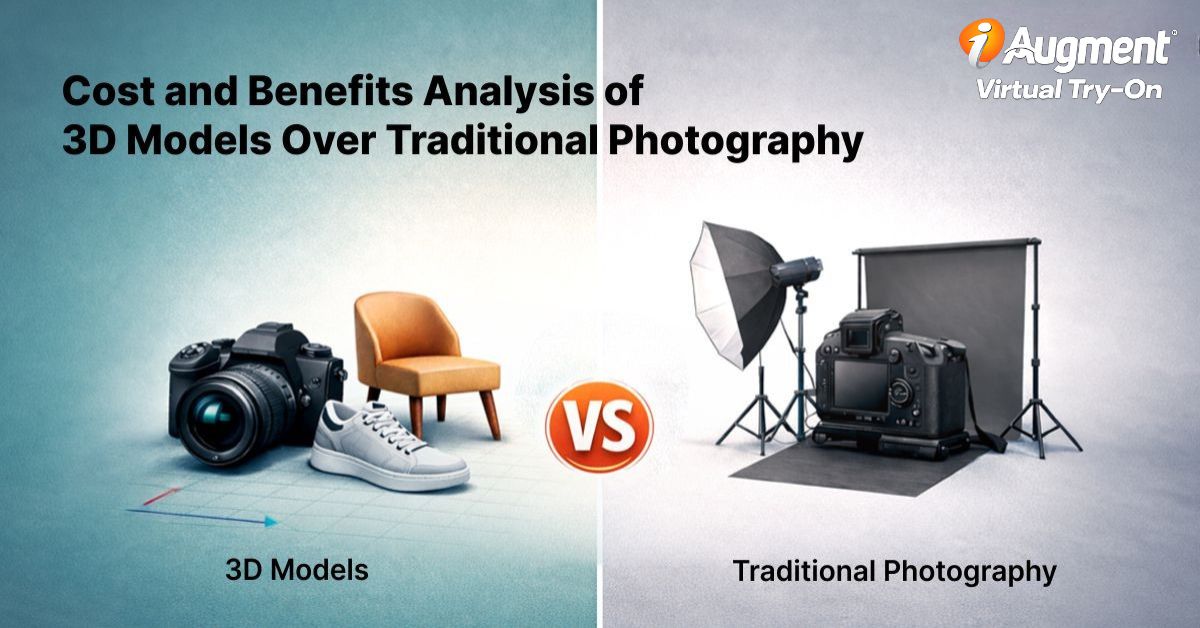
Modern commerce demands speed, consistency, scale, and personalization. This gap has pushed companies to compare conventional photoshoots with 3D visualization and interactive assets. Business leaders always focus on budgets and revenue growth, which is cost efficient photoshoot or 3D models?
This blog will help you understand this in depth. You will learn the traditional photography and 3D model workflows, pricing structures, and operational demands. Then we will present a structured cost analysis, followed by a detailed benefit analysis and more, so stay tuned.
Traditional Product Photography
Traditional product photography refers to capturing real products using physical setups that include studios, lighting equipment, photographers, and post-production teams. It has been the backbone of retail, manufacturing, and marketing for decades.
Benefits of Traditional Photography
Traditional photography still offers several advantages when executed well.
- Real-world texture and lighting that some luxury brands value
- Immediate familiarity for internal teams and stakeholders
- Strong results for limited catalogs or hero products
- Established vendor ecosystem in most regions
Requirements and Workflow
A standard photoshoot requires multiple coordinated elements.
- Physical product samples in final form
- Studio space or on-location setup
- Professional photographers and assistants
- Lighting gear, props, and backgrounds
- Post-production editing and retouching
Each product variation often needs a separate shoot. Color changes, angle updates, and localization increase complexity.
Want 3D development for your products?
Learn how a digital showroom increases your online sales.
Pricing and Cost Structure
Pricing varies widely by geography and quality. Industry averages based on the 2024 Clutch and Upwork enterprise survey show:
- Small product shoot: $500 to $1500 per SKU
- Mid-scale catalog shoot: $5,000 to $25,000 per collection
- Enterprise campaigns: $50,000 plus
These numbers rise with reshoots, seasonal updates, and logistics. For brands with large catalogs, photography costs compound quickly.
3D Models
A 3D model is a digital replica of a physical product created using specialized software. It forms the foundation of 3D visualization, configurators, AR previews, and virtual try on experiences.
Benefits of 3D Models
The value proposition of 3D models extends far beyond visuals.
- Unlimited angles and zoom without reshooting
- Easy color, material, and component swaps
- Reusable across web, mobile, AR, VR, and ads
- Consistent visual quality across channels
- Faster updates when products change
Requirements and Workflow
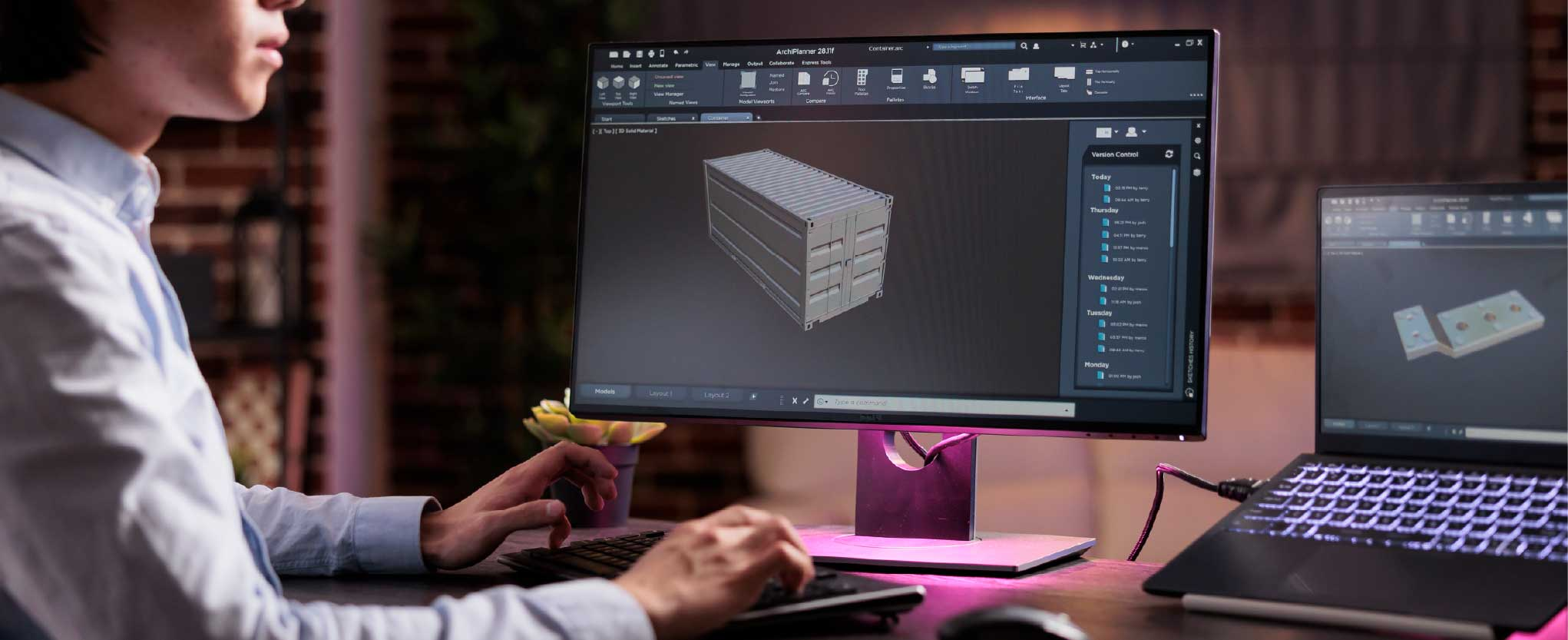
Creating a 3D model requires a different skill set.
- CAD files or physical product reference
- 3D files or physical product reference
- Rendering software and computing resources
- Review cycles for accuracy and realism
Once approved, the same asset supports multiple outputs, including 3D product rendering, animations, and interactive viewers.
Pricing and Cost Structure
The cost of 3D model creation depends on complexity and fidelity. Market benchmarks from 2024 visual commerce vendors indicate:
- Simple product: $150 to 400 per model
- Medium complexity product: $500 to 1,200 per model
- High-detail or configurable product: $1500 plus
While the upfront cost may appear higher than a single photo, the reuse potential shifts the long-term economics.
Cost Analysis: Breaking Down the Numbers

Initial Investment
Traditional photography often looks cheaper at first glance. A single shoot delivers immediate images. However, each new angle or variation adds incremental cost. In contrast, 3D visualization requires an upfront investment in asset creation.
Once the 3D model is built, additional views come at near-zero marginal cost. From a cost analysis perspective, this front-loaded spend favors companies with evolving catalogs.
Know why iAugment virtual try on is the digital product visualization you need.
Operating Costs
Photography involves recurring expenses. Studios, crews, retouching, and coordination repeat with every update. 3D workflows rely on digital teams and software licenses. Over time, operating costs stabilize.
Many enterprises report a 25 to 40% reduction in annual visual production spend after adopting 3D visualization pipelines.


Logistics and Production
Physical shoots depend on shipping samples, managing damages, and coordinating schedules. Delays are common. Digital production removes logistics from the equation. Products can be visualized before manufacturing.
This reduces idle time and accelerates launches. In cost analysis terms, reduced downtime translates into faster revenue realization.
Long-Term ROI
Return on investment becomes clear over multiple product cycles. A single 3D model supports thousands of renders, marketing creatives, and channel formats. Photography requires repetition. According to a 2023 McKinsey manufacturing digitization study, companies using 3D visualization reported ROI breakeven within 6 to 9 months for large catalogs.

Get 3D models for your showroom, and products

Industry Example
A global furniture manufacturer replaced photography for 60% of its catalog with 3D models. Over two years, visual production costs dropped by 38%. Product launch timelines improved by four weeks on average.
The leadership team revisited the core question, which is cost efficient photoshoot or 3D models, and shifted the budget permanently.
Find out how implement AI-guided selling in a virtual showroom.
Benefits Analysis: Beyond Cost Savings

Flexibility and Customization
3D visualization allows for instant changes to finishes, colors, and configurations. No reshoots are needed. The flexibility supports regional preferences and B2B customization. Photography struggles to match this speed without escalating costs. From a benefit analysis standpoint, adaptability becomes a competitive advantage.
Speed to Market
Digital assets enable parallel workflows. Marketing teams can create visuals while manufacturing is still underway. This shortens launch cycles. Brands using 3D product rendering often release collections weeks ahead of competitors, relying on traditional shoots.


Scalability
Scaling photography means scaling logistics and crews. Scaling 3D models means duplicating digital files. For enterprises managing thousands of SKUs, scalability is where 3D visualization outperforms decisively. This is a core driver in benefit analysis discussions at the executive level.
Improved Conversion Rates
Interactive visuals improve buyer confidence. Shopify Plus reported in 2024 that products using 3D visualization saw up to 40% higher conversion rates compared to static images. Virtual try on and AR previews further reduce returns. These gains directly impact revenue efficiency.
Understand how phygital solutions can power your retail business.


Sustainability
Sustainability metrics increasingly influence procurement and brand value. Photography involves travel, shipping, and physical waste. Digital production reduces carbon impact. Many companies now include the cost of 3D model creation in ESG reporting as part of responsible operations.
Use Cases of 3D Models
3D models are no longer limited to gaming or design teams. Adoption spans multiple sectors.
- Manufacturing uses 3D visualization for pre-production marketing and sales demos
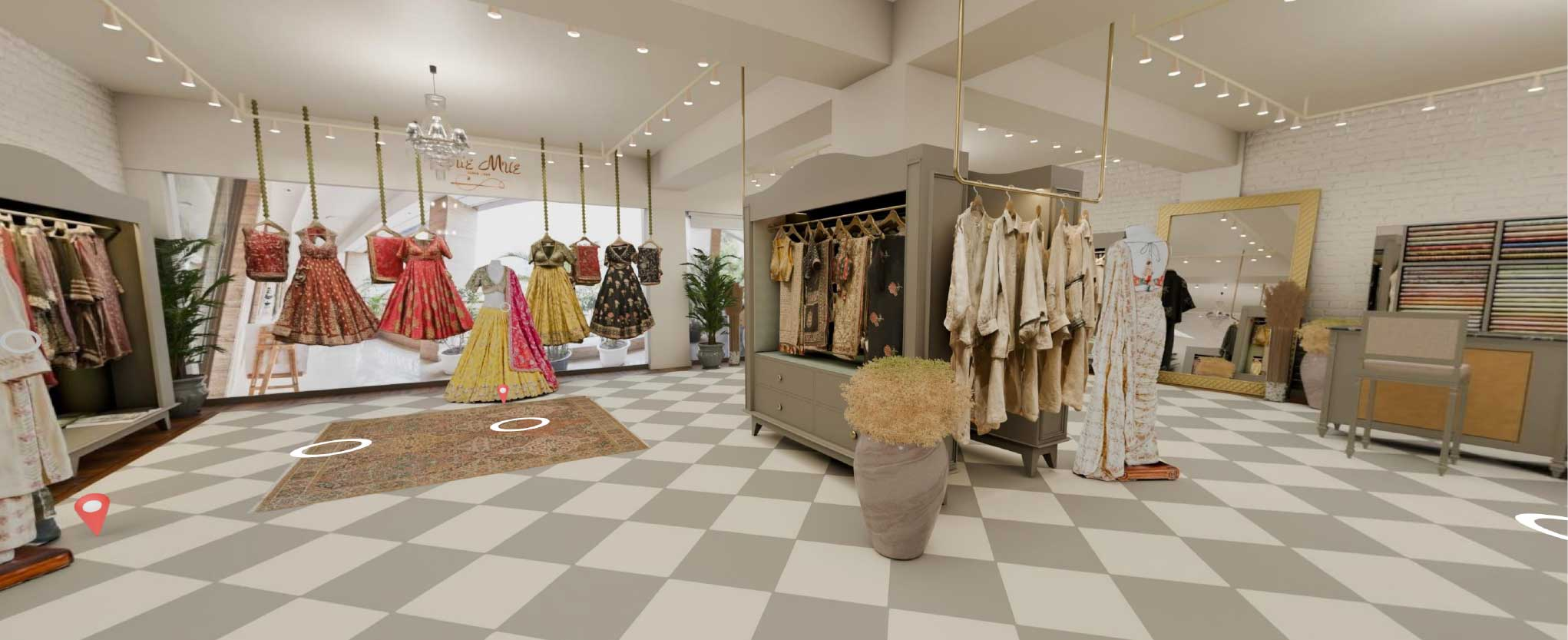
- Furniture and home decor brands’ power configurators and room previews
- Fashion and accessories brands allow virtual try on experiences
- Automotive companies showcase variants without physical inventory
- Industrial equipment firms simplify complex product explanations
- Real estate developers present units before construction
In each case, the cost of 3D model creation is offset by reuse across sales, marketing, and training.
Discover how virtual showroom reduces website churn rates.
Conclusion
The debate between traditional photography and 3D models is no longer about creative preference. It is a strategic decision grounded in cost analysis and benefits analysis. Photography remains relevant for limited use cases and legacy workflows.
However, for companies focused on efficiency, scalability, and user experience, 3D visualization delivers compounding value. By investing in a reusable 3D model foundation, organizations reduce long-term visual costs, accelerate launches, and improve buyer engagement.
The cost of 3D model creation becomes predictable, measurable, and aligned with growth objectives. For evaluating process efficiency and digital experience impact, this shift offers a clear path to higher ROI and stronger market differentiation. If you need more clarity on 3D development and related services, let us know.
Frequently Asked Questions
What is the real cost of 3D model creation when used across multiple channels?
The cost of 3D model creation is upfront but predictable. One asset supports web, marketplaces, ads, digital showrooms, and sales tools. When reused across channels, the effective cost per use drops sharply compared to photography.
What internal data or files are required to start building accurate 3D models?
Most projects begin with technical drawings, or physical samples, or images of your products. Material references, dimensions, and color specs improve accuracy. This data allows faster 3D product rendering with fewer review cycles.
How does 3D visualization affect B2B buying decisions and sales cycles?
3D visualization improves product clarity and buyer confidence. Interactive views help stakeholders evaluate options faster. This shortens sales cycles and supports stronger benefit analysis outcomes in complex B2B deals.
How scalable is a 3D visualization workflow for companies with thousands of SKUs?
3D visualization scales digitally, not physically. Once standards are set, thousands of SKUs can be produced consistently. This makes cost analysis predictable and supports rapid catalog expansion without rising logistics costs.