Introduction
Jewelry brands that implement jewelry try-on technology often notice something interesting. Customers do not just try one piece. They experiment with multiple rings, necklaces, and earrings to see how they look together.
This behavior has opened the door to a powerful merchandising strategy called stacking. It allows shoppers to visualize several jewelry pieces worn together before making a purchase. With the help of virtual try-on for jewelry, brands can present complete combinations rather than individual products.
This approach increases visual inspiration, encourages bundle purchases, and ultimately improves the average order value for a jewelry brand. In this blog, we will explore how stacking works and why it is becoming a powerful growth strategy for modern jewelry eCommerce.
What is Stacking in Jewelry Try-On?
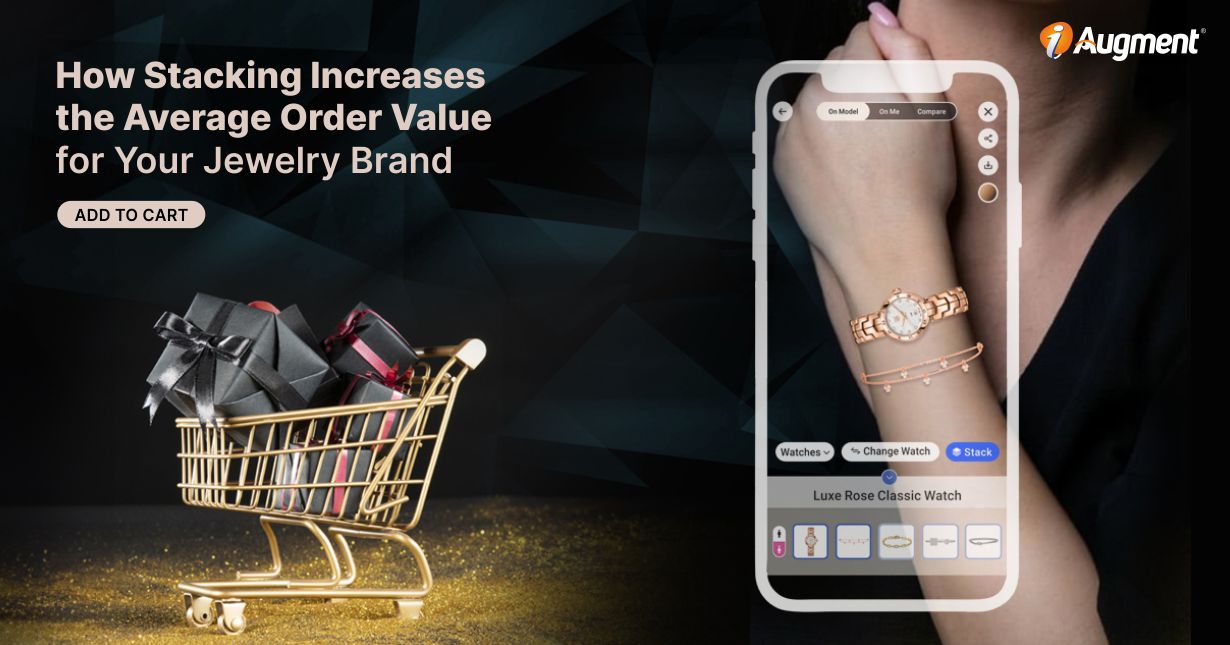
Stacking refers to the practice of wearing multiple jewelry pieces together to create a look. Customers commonly stack rings on multiple fingers, stack earrings on the ear, or combine bracelets to form a curated style.
In physical stores, shoppers often try different pieces together in front of a mirror. Online shopping did not offer this experience earlier. That limitation is altered with virtual try-on for jewelry technology.
With jewelry try-on, shoppers can place several items on their digital reflection and see how they look together. Instead of testing one ring or necklace at a time, the technology allows a complete styling experience.
For example, imagine a shopper browsing a jewelry brand website for rings. The user opens the virtual ring try-on tool and places a ring on a finger. The interface suggests additional rings that complement the first piece.
The shopper adds another ring and then one more on a different finger. Now the shopper can see and compare different rings simultaneously on their fingers through jewelry VTO without the need to repeat the process.
The same concept works for earrings and bracelets. This interactive styling approach encourages customers to purchase multiple products rather than a single item. This helps customers experience and explore various products and feel confident about buying them together.
How Stacking Boosts Average Order Value for Jewelry Brands
Stacking has a direct impact on purchasing behavior. Instead of selling one product per try-on session, brands encourage shoppers to purchase several complementary items. This shift leads to a noticeable increase in average order value.
Here are the key reasons stacking works so effectively for a jewelry brand.

1. Bundling and Set Purchasing
Bundling becomes much easier when customers can see multiple pieces together. With virtual try-on for jewelry, shoppers visualize curated sets instead of isolated items.
For instance, a jewelry brand may display a stack of three rings that complement each other. When customers open the virtual ring try-on tool, they can instantly see how the full set appears on their hand. The visual presentation encourages buyers to purchase the complete stack rather than just one ring.
This strategy also works for bracelets and coordinated earrings. Customers exploring virtual try-on for rings, necklaces, bracelets, and earrings often discover matching pieces that form a cohesive style.
The result is simple. When shoppers see combinations that look attractive together through jewelry try-on, they are more likely to add several products to the cart. This behavior directly increases the average order value.

2. Reduced Decision Fatigue
Too many choices can slow down the purchase decision. Jewelry websites often feature hundreds of products, which can overwhelm shoppers.
Stacking reduces this challenge by presenting curated combinations. Instead of choosing from a large catalog, customers see recommended groupings that work well together.
When shoppers interact with a virtual try-on for jewelry, they can test a complete look quickly. A customer might begin with one ring inside the virtual ring try-on experience. The system then suggests two or three rings that form a stylish stack.
This approach simplifies the decision process. They can see the stack instantly using jewelry VTO.

3. Higher Perceived Value
Perceived value plays a major role in jewelry purchases. When a product appears part of a curated style, it feels more premium. Stacking elevates the perceived value of every item. A single ring may look elegant on its own.
However, three stacked rings create a stronger visual impact. When customers explore stacks through jewelry try-on, the styling effect becomes clear. They see how different textures, gemstones, and metals look together.
This is where virtual try-on for jewelry becomes powerful. It allows shoppers to experiment with combinations in real time. The appearance often makes the collection feel more luxurious.
From a business perspective, this means a jewelry brand can sell multiple pieces in one purchase. When customers perceive the stacked look as more stylish, they feel comfortable spending more. This leads to a measurable increase in average order value.

4. Effective Cross-Selling
Cross-selling is a common strategy in eCommerce. However, it becomes far more effective when customers can visualize how products work together. With virtual try-on for jewelry, cross-selling becomes even more interactive.
A shopper trying a ring might receive suggestions for matching earrings or necklaces. Through jewelry VTO, the system can instantly display these additional items on the shopper’s image. The customer sees how the combination looks without leaving the page.
For example, a shopper testing rings in a virtual ring try-on may also see other similar suggestions. Once the customer sees the layered style through jewelry try-on, the extra items feel like natural additions. This visual cross-selling strategy helps a jewelry brand increase both product discovery and average order value.

5. Enhanced Gift Appeal
Stacked jewelry sets also perform well in the gifting market. Buyers often prefer curated collections rather than individual pieces. When customers explore stacks through virtual try-on for jewelry, they can visualize how the pieces will look when worn together.
This visualization makes the set feel more thoughtful and complete. A jewelry brand can present stacking combinations as gift-ready collections. For example, a ring stack might include three complementary designs that create a stylish layered look.
When buyers see these combinations using jewelry try-on, the purchasing decision becomes easier. The set feels like a complete gift rather than a single product.
Gift buyers are typically willing to spend more when the presentation feels premium. This naturally increases the average order value for the brand.
Strategies to Implement Stacking for Higher Revenue
Stacking does not work automatically. Jewelry brands need to present the vision clearly, so customers feel inspired to experiment with combinations. Below are practical strategies that help a jewelry brand implement stacking successfully with virtual try-on for jewelry.
1. Showcase in Imagery
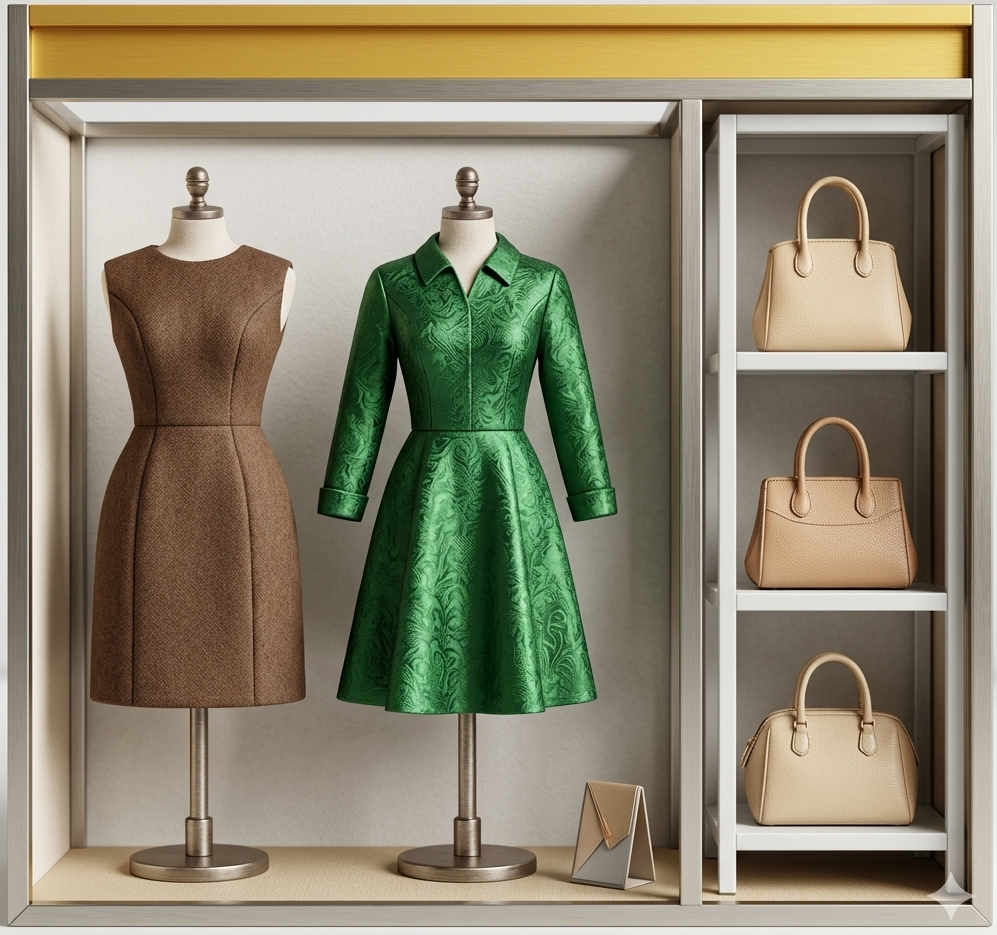
Visual presentation is the first step. Product images should display stacked combinations instead of only single pieces. For example, ring product pages can show several rings worn together. Necklace pages can highlight styling with different chain lengths.
These visuals inspire customers to experiment when they open the jewelry try-on feature. When shoppers activate jewelry VTO, they already have a reference for how stacking works. The imagery encourages them to test multiple items through virtual ring try-on or other try-on experiences.
This visual inspiration increases engagement and supports a higher average order value.

2. Create “Starter Sets”
Starter sets make stacking simple for first-time buyers. A jewelry brand can offer curated collections that include two or three complementary pieces. For example, a ring stack starter set might include a thin band, a gemstone ring, and a textured stacking ring.
Customers can explore these sets through virtual try-on for jewelry before purchasing. When shoppers test the full stack through jewelry try-on, they quickly understand how the pieces work together. This removes hesitation and encourages them to purchase the entire set.
Starter sets are especially effective for brands that want to introduce stacking to new customers while increasing average order value.

3. Use Tiered Discounts
Tiered discounts can motivate customers to purchase multiple pieces.
For example: Buy one ring at a regular price.
Buy two rings with a small discount.
Buy three rings with a larger discount.
When customers see these offers inside the virtual ring try-on interface, they are more likely to experiment with additional rings. Once shoppers visualize the stack through jewelry VTO, the discount becomes an extra incentive to complete the set.
This strategy benefits both the customer and the jewelry brand. The buyer receives better value, and the business sees a higher average order value.

4. Leverage User-Generated Content
User-generated content builds credibility and inspires new buyers. Customers often share photos of their stacked jewelry on social media. These real-life examples help others discover styling ideas.
A jewelry brand can showcase these images on product pages and within the jewelry try-on interface. When shoppers see real customers wearing stacked pieces, they gain confidence in the styling concept. They are more likely to test similar combinations using virtual try-on for jewelry.
User-generated content also highlights how various people style rings, necklaces, and earrings. This variety inspires experimentation through jewelry VTO.
Over time, this community-driven inspiration can boost product discovery and increase the average order value.
Conclusion
Stacking transforms how customers shop for jewelry online. Instead of buying just one item, shoppers explore layered styles that include multiple pieces. With virtual try-on for jewelry, customers can visualize these combinations instantly and feel confident about purchasing complete looks.
For a jewelry brand, this approach drives stronger engagement, effective cross-selling, and higher average order value. Features like jewelry try-on, virtual ring try-on, and jewelry VTO allow shoppers to experiment with styles before checkout.
When brands combine stacking with curated sets, strong visuals, and social inspiration, online jewelry shopping becomes both interactive and profitable.
Frequently Asked Questions
Q. How does jewelry try-on technology support stacking for online shoppers?
Jewelry try-on technology enables shoppers to layer multiple pieces digitally and view them together in real time. Using virtual try-on for jewelry, customers can combine rings, bracelets, and earrings to create a complete look before buying.
This interactive experience helps users visualize styling options, reduces guesswork, and encourages multi-product purchases. For any jewelry brand, stacking jewelry VTO improves engagement and directly impacts the average order value.
Q. How does virtual try-on for jewelry allow users to try multiple items at once?
Virtual try-on for jewelry uses augmented reality to map products onto a user’s image or a model image. It allows multiple items to be layered simultaneously, enabling stacking. For example, shoppers can use virtual ring try-on to add several rings to one hand and adjust them instantly.
This multi-item visualization through jewelry try-on helps customers explore combinations easily, leading to higher confidence and increased average order value for a jewelry brand.
Q. How accurate is virtual ring try-on when showing stacked combinations?
Modern virtual ring try-on solutions are highly accurate due to advanced hand tracking and size mapping technologies. They detect finger position, scale, and movement to display realistic stacking combinations.
With virtual try-on for jewelry, multiple rings align properly without overlap issues, providing a near real-life preview. This precision in jewelry VTO builds trust and reduces hesitation, helping a jewelry brand improve both conversions and average order value.
Q. Does stacking really improve conversion rates or just cart value?
Stacking improves both conversion rates and average order value. When customers use jewelry try-on to view combinations, they feel more confident in their purchase decisions. This reduces drop-offs and increases conversions.
At the same time, virtual try-on for jewelry encourages shoppers to add multiple items to their cart. For a jewelry brand, stacking through jewelry VTO creates a stronger buying intent, leading to higher cart size and better overall sales performance.
Q. Does stacking work better for luxury jewelry or everyday wear collections?
Stacking works effectively for both segments. In luxury collections, virtual try-on for jewelry highlights premium styling and layered elegance, increasing perceived value and average order value.
In everyday wear, jewelry try-on makes it easy to mix and match affordable pieces, encouraging frequent purchases. Whether using virtual ring try-on or full jewelry VTO, a jewelry brand can use stacking to drive engagement across categories and appeal to different customer preferences.