Introduction
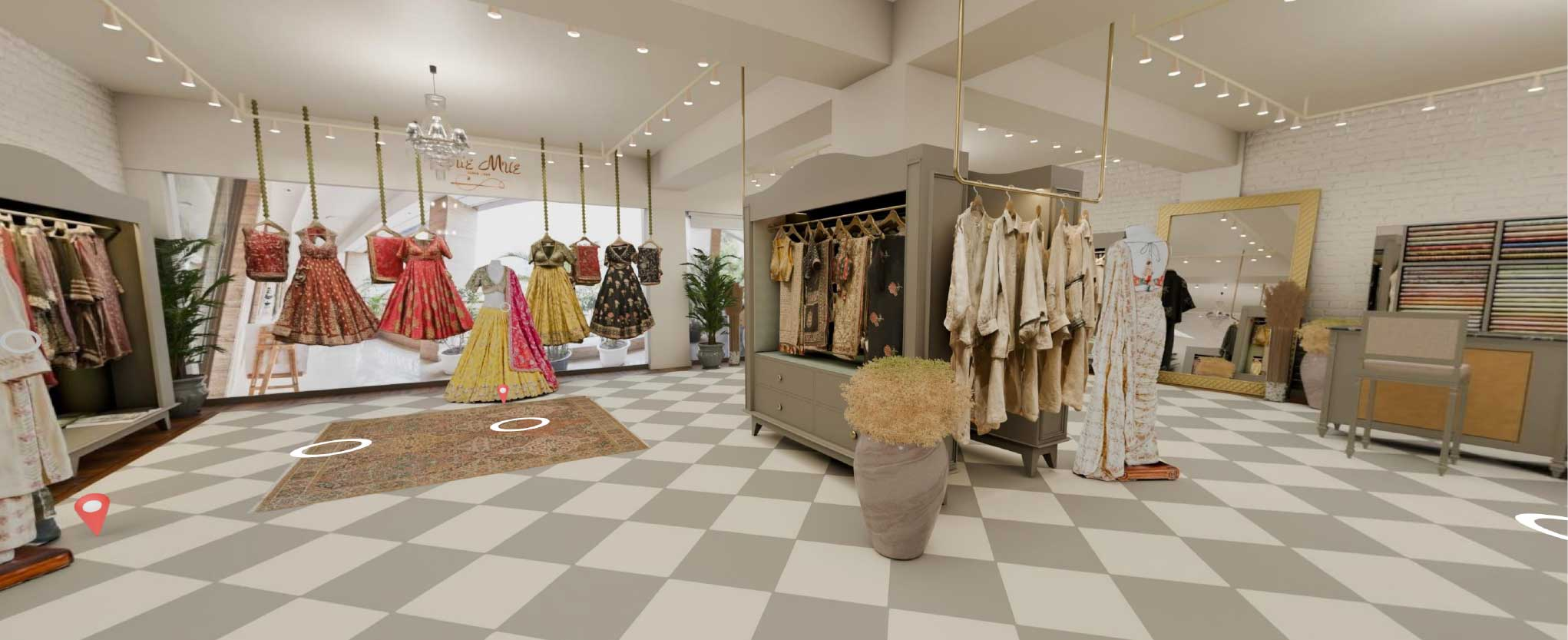
Virtual showroom marketing is rapidly reshaping how manufacturers present products, generate demand, and close deals in a digital-first economy. Yet many manufacturing leaders still rely on physical demos, trade shows, and long sales meetings that inflate costs and delay revenue.
Consider this. Companies implementing virtual showroom experiences often report 30 to 50% higher conversion rates, 20 to 40% higher average order values, and a 25 to 35% percent reduction in return rates (number7even).
Another study by SuperAGI shows digital sales rooms can drive 25% higher sales productivity and reduce sales cycle length by about 30%. These numbers signal a clear shift in buyer behavior. Modern B2B buyers prefer immersive, self-guided product exploration before speaking to sales.
If you are wondering how to boost virtual showroom efficiency, adopting visual selling is no longer optional. It is becoming a core growth driver. This blog explains why manufacturers are investing heavily in virtual experiences and how you can use them to increase revenue, strengthen manufacturing ROI, and build predictable growth.
Know how virtual showroom enhances product discovery and boost average order value.

Why Manufacturing Leaders Are Turning Toward Virtual Showrooms

1. Higher Conversion Through Visual Learning
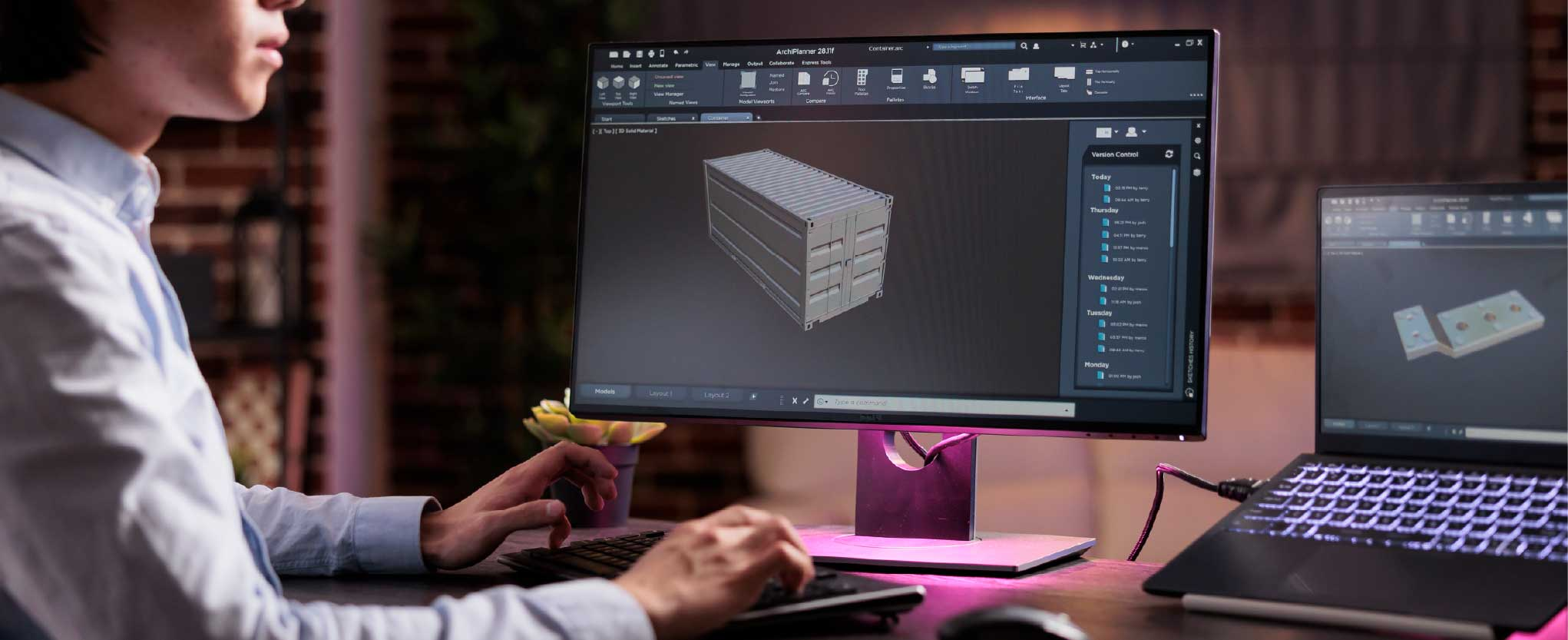
Manufacturing products is often complex. Buyers struggle to understand specs through PDFs or static images. Interactive visualization helps customers see colors, materials, and configurations with clarity, building trust and confidence in purchase decisions.
When buyers understand faster, they decide faster. Platforms using 3D visualization have reported conversion increases of up to 65% on average, with even higher gains for complex products (3Devision).
This is where virtual showroom marketing directly impacts manufacturing ROI. Visual learning removes ambiguity. Your buyer does not guess. They experience it. For manufacturers exploring how to make their process more efficient, this clarity is often the first breakthrough.
2. More Leads with Less Spend
Trade shows, physical samples, and travel-heavy demos consume large portions of marketing budgets. A digital showroom generates leads by adding downloadable resources, contact opportunities, and guided experiences that convert interest into inquiry (maionic.com).
At the same time, virtual demos eliminate many expenses tied to physical presentations and prototypes. This is classic ROI marketing in action. Lower spend. Higher intent prospects. Stronger sales lead quality.
When leadership teams evaluate manufacturing ROI, this cost-to-impact ratio becomes hard to ignore.
Understand how to transform your fashion brand with a digital fashion showroom.


3. Shorter Sales Cycles and Lower Costs
Lengthy sales cycles are one of the biggest profit killers in manufacturing. Interactive product experiences typically reduce time to close by 20 to 35%, while AR visualization tools have produced 30 to 50% higher close rates (realitymatters.studio).
Why does this happen?
Stakeholders explore products in context instead of imagining them from flat visuals. Understanding happens in minutes instead of weeks. Faster clarity equals faster approvals.
If your strategic priority is how to boost manufacturing efficiency, reducing friction in decision-making is a powerful lever. This is measurable for ROI marketing, not experimentation.
4. Safe Return on Investment
Executives often ask a simple question before adopting new technology. Will it pay off? Virtual showrooms reduce dependency on human resources and lower setup and maintenance costs while reaching wider audiences (maionic.com).
Some brands have achieved cost reductions of up to 80%, alongside stronger order volume and leaner operations. Digital previews can even allow companies to sell before manufacturing, with savings reaching $83.1 million in some cases (vntana.com).
This is not an incremental improvement. That is a transformational manufacturing ROI. When applied correctly, virtual showroom marketing becomes a predictable revenue engine rather than a risky investment.
Learn how to increase online sales via a digital showroom.


5. Real-Time Data That Proves Performance
Traditional showrooms offer limited insight into buyer behavior. You rarely know what captured attention or caused hesitation. A virtual environment tracks traffic patterns, engagement time, and product popularity, enabling smarter inventory and campaign decisions (maionic.com).
Analytics also reveal visitor preferences and interaction patterns, helping organizations refine strategy and product positioning. This is where ROI marketing evolves from assumption to evidence.
Data-backed virtual sales allow leadership teams to forecast growth with confidence. If you want clarity on how to boost virtual showroom marketing, start with measurable buyer intelligence.
How Virtual Showroom Drives Sales for Manufacturers

1. Cost-Efficient Product Showcasing
Expanding physical showrooms globally is expensive and time-consuming. Virtual environments extend your brand into new markets economically. One investment supports every region without replicating infrastructure.
This dramatically improves manufacturing ROI while strengthening brand visibility. With virtual showroom marketing, your portfolio stays updated with minimal effort since digital content can be updated quickly. From an ROI marketing perspective, this is operational efficiency at scale.
2. Increased Sales Conversion and Reduced Cycle Time
Interactive buying experiences empower customers to test products virtually and catch potential issues before committing.
The results?
Higher engagement, efficient decisions, and reduced negotiation time. Audi, for example, experienced a 60% reduction in purchase decision time using a virtual configurator. This is modern virtual sales working exactly as intended.
Manufacturers who want predictable growth must rethink how buyers evaluate products. The answer often lies in virtual showroom marketing.
Discover why iAugment virtual try on technology is the digital product visualization you need.


3. Global Reach and Always-On Accessibility
A virtual showroom operates 24/7 and supports international audiences across time zones. It removes geography and scheduling constraints while allowing prospects to explore before traveling.
In a B2B eCommerce market valued at $11.54 trillion, global accessibility is no longer a luxury. It is a competitive requirement. For manufacturers thinking about how to increase their virtual showroom marketing, borderless selling is a strategic advantage. More reach naturally produces more qualified sales lead opportunities.
4. Data-Driven Sales Strategy
Virtual environments reveal exactly what buyers viewed, compared, and saved before your first conversation. Sales teams walk into meetings prepared. Messaging becomes relevant. Win probability increases.
This is the future of virtual sales. It also aligns perfectly with ROI marketing, where every action is measurable. Manufacturing ROI improves when strategy moves from intuition to analytics.


5. Interactive Demonstration that Builds Confidence
Features such as 720-degree views, configurators, and virtual try-ons allow buyers to experiment until they find the right fit. This immersive discovery process improves satisfaction and loyalty while boosting sales.
Even engagement metrics support the impact. Some implementations show a 40% increase in customer engagement time. Confidence accelerates decisions. Decisions generate revenue. That is the core promise of virtual showroom marketing.
6. Reduced Returns and Stronger Buyer Confidence
Product returns quietly erode profits. Advanced visualization has been shown to reduce returns by up to 40% by setting accurate expectations before purchase. When customers fully understand the product, hesitation drops.
This is practical ROI marketing with immediate financial impact. For leadership teams focused on manufacturing ROI, fewer returns translate directly into higher margins.
Find out how to implement AI-guided selling in a virtual showroom.


7. Sustainability That Strengthens Brand Equity
Physical demos rely on samples, shipping, and travel. Digital alternatives cut sample production and shipping costs by over 60% and reduce carbon footprint significantly. Virtual showrooms also align with corporate sustainability goals while optimizing operational expenses.
Today’s buyers increasingly evaluate vendors based on environmental responsibility. Adopting virtual showroom marketing signals innovation and accountability. It also supports long-term ROI marketing by strengthening brand perception.
Conclusion
Manufacturing is entering a visual era where buyers expect immersive exploration before committing to a purchase. A well-executed virtual showroom improves conversion rates, shortens sales cycles, lowers operational costs, and produces measurable manufacturing ROI.
More importantly, it transforms how your customers experience your brand. If your goal is growth, predictability, and stronger margins, the path is becoming clear. Leaders who invest in virtual sales today position themselves ahead of slower competitors.
Those still evaluating how to boost virtual showroom marketing should view virtual environments not as a marketing experiment, but as a revenue infrastructure. Adopt virtual showroom marketing with a strategic mindset.
Use data to guide decisions. Focus on measurable outcomes through disciplined ROI marketing. The result is simple. More qualified sales lead to flow. Faster deal velocity. Higher profitability. In a market where experience drives decisions, the manufacturers who sell visually will win.
Frequently Asked Questions
Q. What is a virtual showroom, and how does it work for manufacturing businesses?
A. A virtual showroom is a digital, interactive space where you present manufacturing products using 3D visuals, configurations, and guided demos. Through virtual showroom marketing, buyers explore specifications, variants, and use cases without physical samples.
It supports virtual sales by allowing prospects to evaluate products anytime and from anywhere. For manufacturers focused on manufacturing ROI and ROI marketing, it reduces demo costs, improves buyer understanding, and generates qualified sales lead data through measurable engagement.
Q. Can a virtual showroom actually increase sales conversion for complex industrial products?
A. Yes. Complex products benefit from visual clarity. A virtual showroom allows buyers to interact with components, configurations, and applications before engaging sales. Virtual showroom marketing improves understanding and confidence, which shortens decision time.
This directly improves virtual sales performance and manufacturing ROI. From an ROI marketing perspective, higher engagement leads to better-qualified sales lead conversations and stronger conversion rates across technical product categories.
Q. What kind of sales lead quality can manufacturers expect from virtual showroom marketing?
A. Virtual showroom marketing attracts high-intent buyers who actively explore products instead of browsing passively. These interactions reveal interest level, product preference, and readiness to buy.
As a result, your sales lead quality improves significantly. Virtual sales teams receive context-rich data, supporting ROI marketing decisions. For manufacturers, this translates into stronger manufacturing ROI by focusing effort on prospects most likely to convert.
Q. How does a virtual showroom support global sales without increasing operational costs?
A. A virtual showroom gives you a global presence without building physical infrastructure. International buyers access your product catalog at any time, reducing dependency on travel, samples, and local setups.
Virtual showroom marketing supports scalable virtual sales while keeping expenses controlled. This model strengthens manufacturing ROI and aligns with ROI marketing by expanding reach, improving sales lead volume, and maintaining predictable costs across regions.
Q. How does virtual showroom marketing support sustainability goals in manufacturing?
A. Virtual showroom marketing reduces the need for physical samples, shipping, and frequent travel. This lowers material waste and carbon output while supporting efficient virtual sales. Digital product exploration also reduces returns by setting clear expectations.
From an ROI marketing lens, sustainability aligns with cost savings and stronger manufacturing ROI. It positions your brand as responsible while continuing to generate qualified sales lead opportunities.