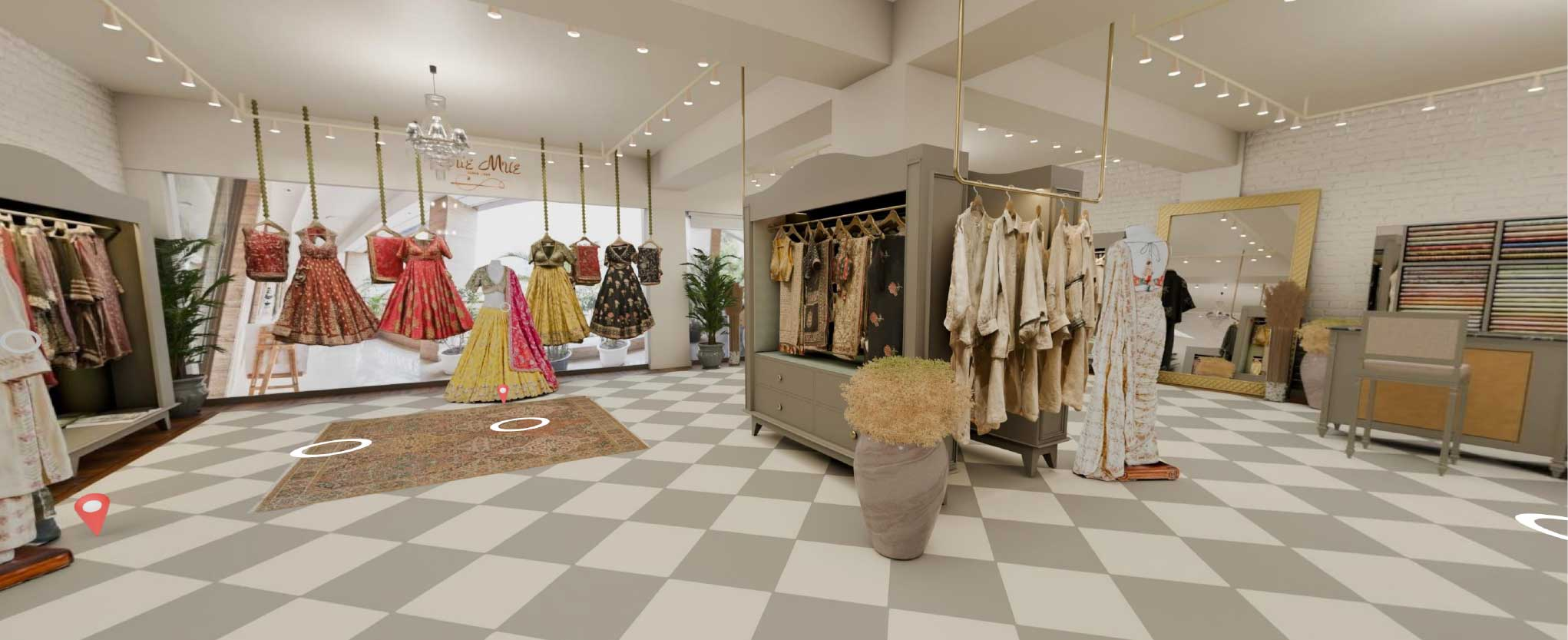
Introduction
If you run a business, especially an SME business, you know the pain and frustration. Traffic comes in. Visitors browse, but very few buy. Present-day buyers’ attention is short, and doubts are high. This is exactly where visual commerce for SMEs becomes a growth lever rather than a nice-to-have.
As per Baymard Institute research, around 70% of online shopping carts are abandoned due to a lack of clarity and confidence during product evaluation. Google research also shows that over 85% of buyers say visuals are the most influential factor when purchasing online.
These numbers highlight a clear problem. Customers want to see more before they commit. As a small or mid-sized business owner, you compete not only on price but also on experience. Big brands win because they reduce uncertainty with immersive visuals, rich product views, and interactive experiences.
The good news is, modern visual commerce tools have made this accessible for small and medium-sized enterprises as well. This blog will show you how visual commerce works, why it matters for your SME business, and how it converts casual browsers into confident buyers.
What is Visual Commerce for SMEs?
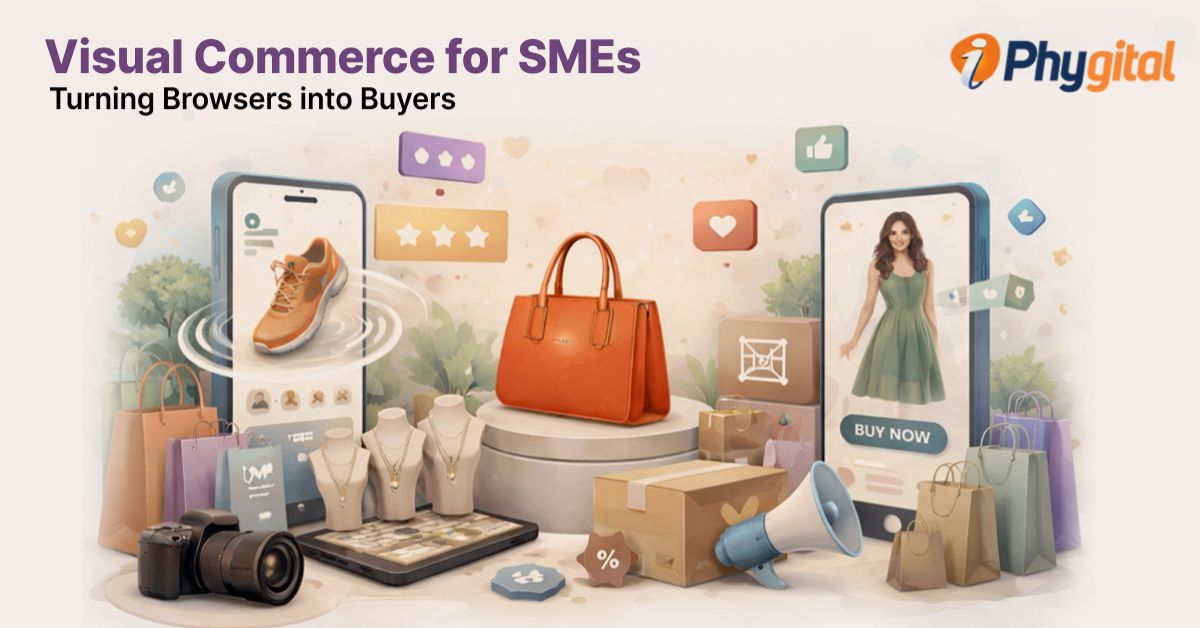
Visual commerce for SMEs means selling through visuals rather than text-heavy descriptions. It uses images, videos, 3D models, Virtual try-on, and interactive tools to help customers understand products better before purchase.
Instead of asking buyers to imagine how a product looks or fits, you show them. This approach brings the physical shopping experience closer to digital channels. Visual commerce combines digital product display, interactive media, and smart visual merchandising to create clarity and confidence at every buying stage.
How Visual Commerce Works in Practice
Visual commerce starts at the product discovery stage and continues through checkout. It works by:
- Presenting products through high-quality images and videos
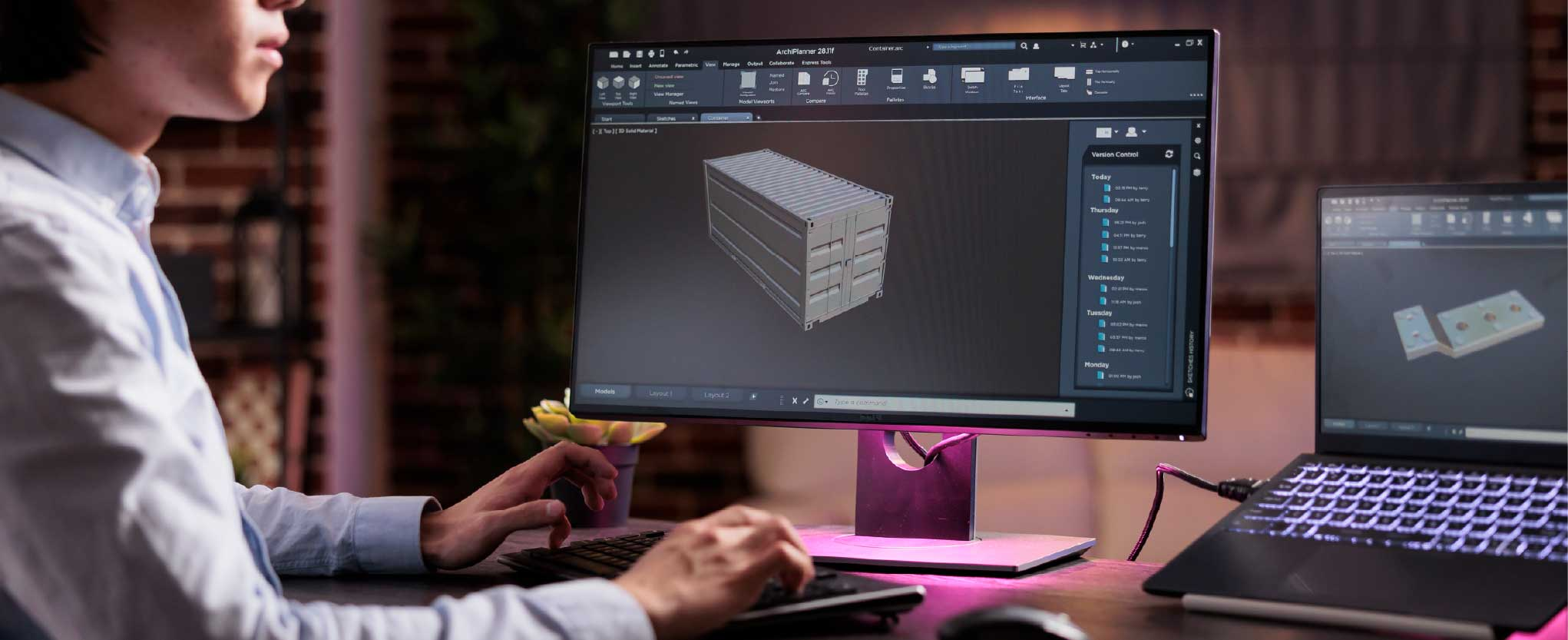
- Using 360-degree views or 3D modelsfor better inspection
- Adding virtual try-ons or AR previews
- Displaying real customers’ photos and videos
- Improving the point of purchase display with visuals that guide decisions
All these elements reduce guesswork. When buyers know what they will get, hesitation drops.
Core Components of Visual Commerce
For small and medium-sized enterprises, visual commerce typically includes:
- High-impact product display visuals
- Optimized digital product display across devices
- User-generated content
- Virtual try-ons or augmented reality
- Strong visual merchandising principles
Each component works together to support conversion, not distraction.
Major Benefits for SMEs
Visual commerce helps your SME business in several direct ways:
- Faster buying decisions
- Higher engagement time
- Better product understanding
- Improved brand credibility
- Lower product return rates
Most importantly, visual commerce for SMEs allows smaller brands to compete with enterprise-level experiences without enterprise-level costs.
How Visual Commerce Converts Browsers into Buyers

Builds Trust and Reduces Uncertainty
Online buyers hesitate because they cannot touch or try products. Visual commerce closes this gap. When your digital product display includes multiple angles, videos, and real-life visuals, customers trust what they see. Trust increases when visuals match reality.
A study by Shopify shows that products with video content can increase purchase likelihood by over 60%. This matters for small and medium-sized enterprises that rely on credibility to grow.
Strong visual merchandising also communicates professionalism. It signals that your SME business values quality and transparency.
Learn how to integrate iAugment virtual try-on with your eCommerce website.

Increase Engagement and Time on Site
Static images no longer hold attention; Interactive visuals do. Visual commerce tools such as 360-degree views and virtual showrooms keep users engaged longer. More time spent means buying intent.
Engaged users are also more likely to explore related products, bundles, and offers. This boosts average order value through smarter product display strategies. For visual commerce for SMEs, engagement is a competitive advantage that drives organic growth.

Provides Powerful Social Proof
People trust people. Visual commerce makes social proof visible. User-generated photos, video reviews, and customer try-on images help buyers visualize real outcomes. According to Nielsen, user-generated content is trusted 50% more than brand-created visuals.
When your point of purchase display includes real customers’ visuals, hesitation drops. This is especially valuable for small and medium-sized enterprises that are still building brand recognition.
Know how virtual try on strengthens customer purchase decisions.

Improves Conversion Rates Across Channels
Visual clarity leads to action. When buyers understand size, fit, texture, and usage, they move faster to checkout. Brands using advanced digital product display formats report conversion rate lifts between 20 and 40%. These gains directly impact revenue for any SME business.
Visual commerce also supports omnichannel selling. The same assets can be reused across websites, marketplaces, and social platforms.

Reduces Costly Product Returns
Returns kill margins for SMEs. Most returns happen because products do not meet expectations. Virtual try-ons and accurate visuals set correct expectations upfront. When buyers know what they are buying, returns drop.
Lower return rates mean higher profitability. This is one of the most underrated benefits of visual commerce for SMEs.
Practical Visual Commerce Strategies for SMEs

Optimize Your Product Detail Pages
Your product detail page is your digital salesperson. Focus on clean layouts, sharp images, and consistent product display formats. Show products in use, not just on a white background. Add zoom functionality and short explainer videos.
These improvements strengthen your digital product display and support better decision-making. Apply visual merchandising principles such as grouping similar items and highlighting bestsellers.
Understand how the virtual try on enhance product discovery and AOV.

Leverage User-Generated Content Effectively
Encourage customers to share photos and videos. Offer simple incentives like discounts or features on your site. Place user visuals near your point of purchase display. This placement influences decisions at the right moment.
For any SME business, user-generated visuals act as unpaid sales assets that scale trust.

Embrace “Shop the Look” and Smart Bundles
Bundles simplify buying decisions. Show complete looks or use cases through visuals. Let customers buy combinations with one click.
This strategy uses visual commerce for SMEs to increase cart value while helping buyers feel confident in their choice. Strong visual merchandising makes bundles feel natural, not forced.

Use Virtual Try-Ons and AR Where Relevant
Virtual try-ons are no longer limited to fashion or beauty. Furniture, eyewear, jewelry, and even industrial products benefit. AR allows buyers to preview products in real environments. This reduces doubts and speeds up decisions.
For small and medium-sized enterprises, many SaaS platforms now offer affordable virtual try-on solutions with quick integration. These tools improve your digital product display without technical complexity.
NFC vs QR code Cards: Which one is better?

Optimize for Mobile-First Buyers
Over 70% of eCommerce traffic comes from mobile devices. Your visuals must load fast and adapt smoothly. Use compressed images and responsive layouts. Keep product display elements clear even on smaller screens.
Mobile-friendly visual commerce for SMEs directly impacts conversions and SEO visibility.
Why Visual Commerce is a Long-Term Growth Asset
Visual commerce is not a trend. It reflects how people buy today. Buyers expect clarity, proof, and immersion. Brands that deliver this win loyalty and referrals. For SME business owners, visual commerce levels in the playing field.
It allows you to compete on experience rather than price alone. By investing in visual merchandising, strong digital product display, and immersive point of purchase display strategies, you future-proof your online presence.
Learn how iEdge helps in agent onboarding in real estate.
Conclusion
If your website gets traffic but struggles to convert, the problem is not demanding. It is an experience. Visual commerce for SMEs helps you replace doubt with confidence and browsing with buying.
It builds trust, improves engagement, and increases conversions while lowering returns. For small and medium-sized enterprises, visual commerce is one of the smartest ways to gain traction without massive ad spend. It turns your website into a visual sales engine that works around the clock.
By adopting the strategies discussed here, your SME business can attract more qualified buyers, convert them faster, and grow sustainably in competitive markets. Visuals do not just show products. They sell them.
Frequently Asked Questions
Q. How is visual commerce for SMEs different from traditional ecommerce selling?
A. Traditional ecommerce relies heavily on text descriptions and static images. Visual commerce for SMEs focuses on immersive visuals that help buyers understand products faster. It uses rich product display, videos, user photos, and interactive views instead of long explanations.
This approach supports better visual merchandising and a stronger point of purchase display, which is critical for any SME business competing with larger brands online.
Q. Can visual commerce work for small and medium-sized enterprises with limited budgets?
A. Yes, visual commerce works well for small and medium-sized enterprises with limited budgets. Many tools for digital product display, user-generated content, and basic virtual try-ons are SaaS-based and affordable.
Visual commerce for SMEs allows you to reuse visuals across websites, marketplaces, and social platforms. This makes it cost-efficient while still improving credibility and engagement for an SME business.
Q. How does poor product display affect conversion rates and returns?
A. Poor product display creates confusion and weakens buyer confidence. Customers struggle to understand size, quality, or usage, which lowers conversions and increases returns. Without a strong digital product display and visual merchandising, expectations do not match reality.
For an SME business, this leads to lost sales and higher operational costs, especially at the point of purchase display stage.
Q. What visual commerce strategies should SMEs prioritize first?
A. SMEs should start by improving digital product display on product pages. Use clear images, videos, and consistent visual merchandising. Add user-generated visuals near the point of purchase display to build trust.
These steps form the foundation of visual commerce for SMEs and are easy to implement for small and medium-sized enterprises aiming for quick impact.
Q. How does visual commerce improve conversion rates for SME businesses?
A. Visual commerce reduces hesitation by showing products clearly and realistically. Strong product display, social proof, and immersive visuals help buyers decide faster. Visual commerce for SMEs improves engagement and confidence, which directly lifts conversions.
For any SME business, better digital product display and effective visual merchandising translate into higher sales and lower drop-offs.