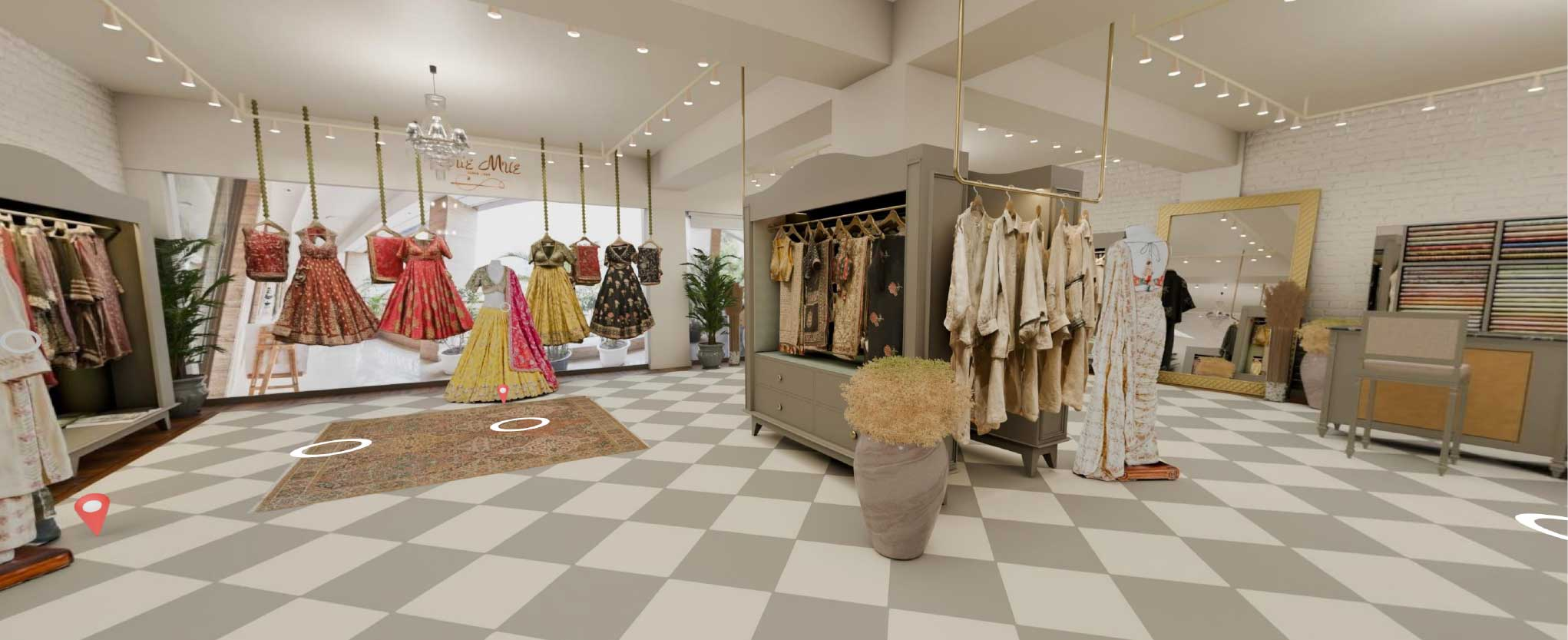
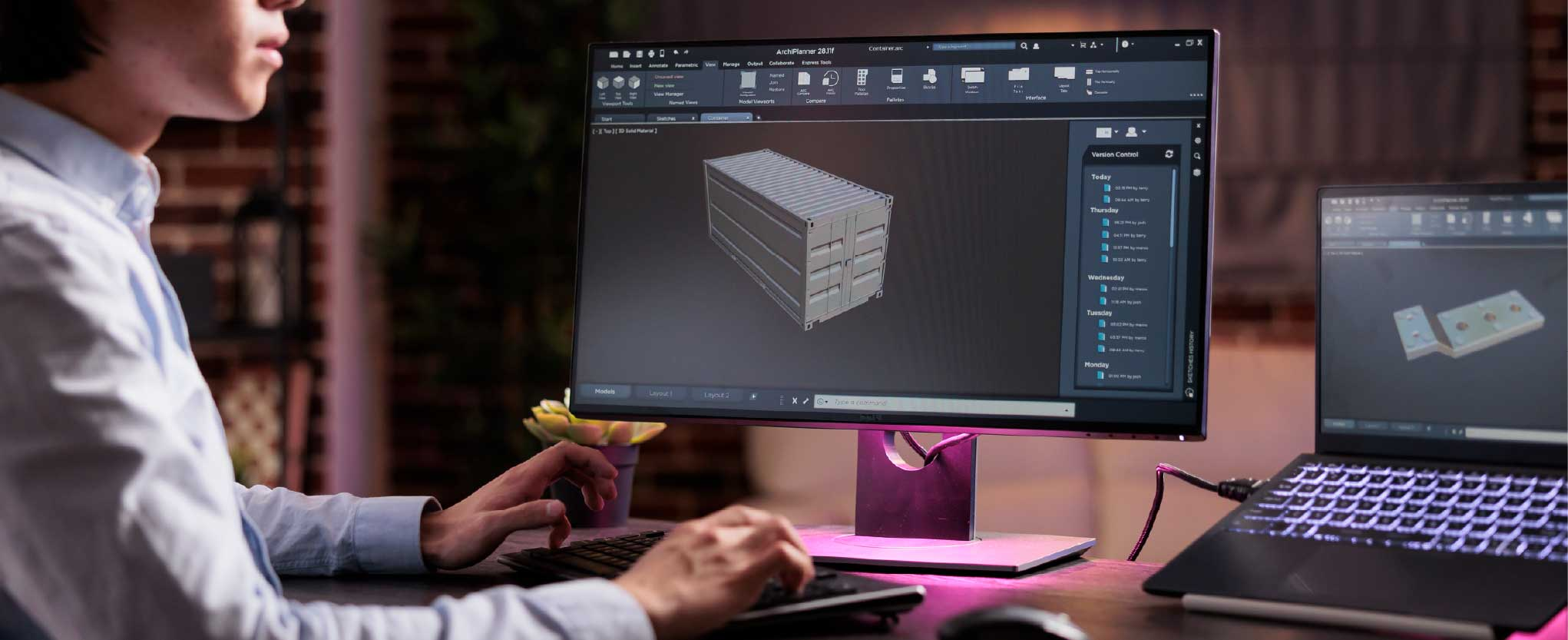
Customers today expect more than static product images. They want interactive experiences that help them explore and visualize products before purchasing.
This is why virtual showroom solutions are becoming increasingly popular across industries like furniture, automotive, real estate, and luxury retail.
By combining immersive 3D experiences with digital convenience, virtual showrooms help businesses improve customer engagement, reduce buying hesitation, and create more confident purchasing decisions.
Learn how iAugment virtual try on bring jewelry to life.
What are the Benefits of a Digital Showroom?
A digital showroom solution delivers businesses with a compelling way to engage customers and drive sales. Listed below are the top 10 benefits of a virtual showroom along with an example for better clarity.

Realistic Experience
A virtual showroom helps customers interact with products in a more natural and immersive way. Instead of relying on static images, users can rotate products, zoom into details, and customize colors or materials in real time.
This makes it easier for customers to visualize products accurately before purchasing. For industries like furniture, automotive, and home decor, this realistic interaction reduces uncertainty and builds confidence, leading to a more engaging and informed buying experience.
Availability
Unlike physical stores with limited operating hours, a virtual showroom remains accessible anytime and from anywhere. Customers can explore products according to their convenience without visiting a physical location.
This is especially beneficial for businesses targeting audiences across different cities or countries. Real estate brands, automobile companies, and retailers can engage customers continuously while improving convenience and accessibility throughout the buying journey.
Understand how virtual showroom creates an immersive experience in real estate.


Convenience
Customers often hesitate to purchase online when they cannot properly visualize products. A virtual showroom reduces this uncertainty by offering detailed product exploration and customization features.
Buyers can compare variants, inspect details, and better understand product functionality before making decisions. This clarity helps customers feel more confident and comfortable during the purchase process, which often improves engagement and conversion opportunities.
Help Customers Experience Products Before They Buy
Accessibility
A virtual showroom removes geographical barriers and allows businesses to reach customers beyond physical store locations. Instead of opening multiple showrooms in different cities, brands can showcase products digitally to a global audience.
This is particularly useful for luxury brands, furniture businesses, and automotive companies looking to expand their visibility while maintaining consistent customer experience across


Multi-Device Compatibility
Modern customers switch between multiple devices while shopping online. A virtual showroom provides a seamless experience across desktops, smartphones, tablets, and even VR headsets.
Customers can continue exploring products whenever and wherever they prefer without interruptions. This flexibility improves convenience and ensures a smoother customer journey from product discovery to final purchase.
Detailed Information
Personalization has become an important part of modern shopping experiences. Virtual showrooms allow customers to customize products by changing colors, materials, layouts, or configurations in real time.
Discover how to implement AI guided selling in virtual showroom.
This interactive experience helps buyers visualize products according to their preferences, creating stronger emotional connections, and improving satisfaction. It also helps businesses deliver more customer-centric shopping experiences.


Reduced Overhead Costs
Managing physical showrooms involves significant expenses such as rent, maintenance, utilities, and staffing. A virtual showroom helps businesses reduce many of these operational costs while still delivering immersive customer experiences.
Companies can display large product catalogs digitally without requiring extensive physical space. Although virtual showrooms require technology maintenance and updates, they are often more scalable and cost-efficient in the long run.
Customization
Traditional product pages often lead to passive browsing, where customers quickly scroll through images and leave. Virtual showrooms encourage active interaction through 3D visualization, product walkthroughs, and customization features.
Customers spend more time exploring products because the experience feels immersive and engaging. This deeper interaction helps improve brand recall, customer interest, and overall engagement.


Remove Physical Boundaries
Products like furniture, cars, real estate, and sanitaryware often require detailed evaluation before purchase. Virtual showrooms simplify this process by combining product visualization, specifications, demonstrations, and customization into one interactive environment.
Customers gain better clarity about products before contacting sales teams, making the buying process smoother, faster, and more informed.
Improves ROI
Virtual showrooms help businesses improve engagement, reduce customer hesitation, and create more informed buying experiences. Customers who interact with products in immersive environments are often more confident and purchase-ready.
This can lead to higher-quality leads, better conversion opportunities, and stronger customer satisfaction. By combining digital convenience with interactive experiences, virtual showrooms deliver long-term value for both businesses and customers.
Study how 3D product configurator is the perfect sales booster for furniture websites.

How Do Virtual Showrooms Make Sales?
Many businesses assume virtual showrooms are only visual upgrades. In reality, they influence the entire buying journey.
Let’s understand this through a realistic scenario.
Imagine a customer searching for a premium dining table online. Traditionally, they would browse static images, open multiple tabs, compare dimensions manually, and still remain unsure about the final look.
Inside a virtual showroom, the experience changes completely.
The customer can:
- Explore the table in a realistic environment
- Rotate it from different angles
- Change wood finishes instantly
- Compare chair combinations
- Visualize dimensions more accurately
- Speak with a sales representative through live chat
- Access pricing and specifications immediately
By the time they reach the product page or contact sales, much of the hesitation has already disappeared.
Ready to Build an Immersive Digital Showroom? Talk to Our Experts
This is why immersive product experiences often improve conversions, not because customers are forced to buy, but because they feel more confident while making decisions.
Industries Rapidly Adopting Virtual Showrooms
Several industries are already leveraging virtual showroom technology to improve customer engagement and digital sales experiences.
Some of the fastest adopters include:
- Furniture and home decor
- Real estate and architecture
- Automotive brands
- Jewelry retailers
- Luxury fashion brands
- Sanitaryware businesses
- Consumer electronics companies
These industries particularly benefit because visualization plays a critical role in purchasing decisions.
Learn how to increase online sales via digital showroom.
Conclusion
Customer expectations have evolved far beyond static product pages and image galleries. Buyers now expect interactive, personalized, and convenient shopping experiences before making purchasing decisions.
A virtual showroom bridges the gap between physical retail experiences and digital convenience. It helps customers explore products naturally while giving businesses a scalable way to engage audiences globally.
More importantly, it changes how customers experience a brand. Instead of simply browsing products, they actively interact, customize, and visualize them in meaningful ways.
As digital-first buying behavior continues to grow, businesses investing in immersive showroom experiences are likely to build stronger customer trust, better engagement, and improved conversion opportunities.
For brands looking to create more engaging and experience-driven customer journeys, virtual showrooms are no longer just a technological upgrade, they are becoming a competitive advantage.
Frequently Asked Questions
Q. How does a virtual showroom improve customer experience?
It allows customers to view products more realistically, customize features, and make informed buying decisions without visiting a physical store.
Q. Which industries can benefit from virtual showrooms?
Yes, most virtual showrooms are compatible with smartphones, tablets, desktops, and even VR devices for seamless browsing.
Q. How are virtual showrooms different from regular eCommerce websites?
Unlike traditional product pages, virtual showrooms offer immersive 3D experiences, product interaction, and real-time customization.
Q. Can customers customize products inside a virtual showroom?
Yes, customers can often change colors, materials, styles, and configurations to visualize products according to their preferences.