Introduction
Virtual showroom integration is rapidly changing how furniture brands present products online. According to Statista, global online furniture sales are projected to cross $450 billion by 2028. This highlights a strong shift toward digital buying behavior.
This trend is making brands rethink how customers explore and evaluate furniture online. If you run a furniture eCommerce brand, you know customers often hesitate to buy large products online.
They want to visualize size, material, and fit within their homes. A virtual showroom for furniture solves this gap by turning static browsing into an immersive product discovery experience.
In this blog, you will learn the most important benefits of adopting virtual showroom integration and how it can help your brand compete in the modern furniture market.
Know how visual commerce for SMEs turns browsers into buyers.
Why Virtual Showrooms Are Transforming the Furniture Industry
The furniture industry has always depended on physical showrooms. Customers wanted to touch materials, see finishes, and imagine how furniture fits inside their homes. However, digital shopping behavior has changed the furniture market dramatically.
Today’s customers expect interactive product exploration. They search visually, compare styles quickly, and want confidence before making a purchase. This is where showroom integration becomes powerful.
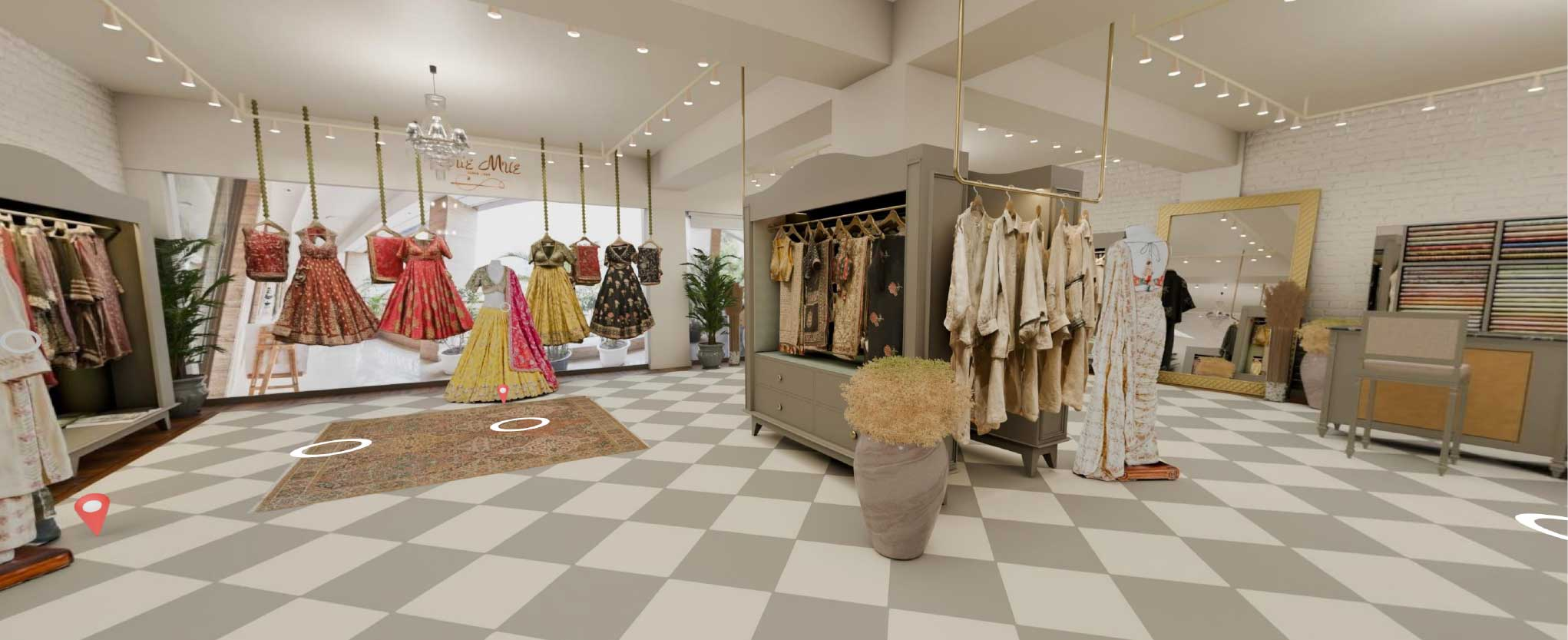
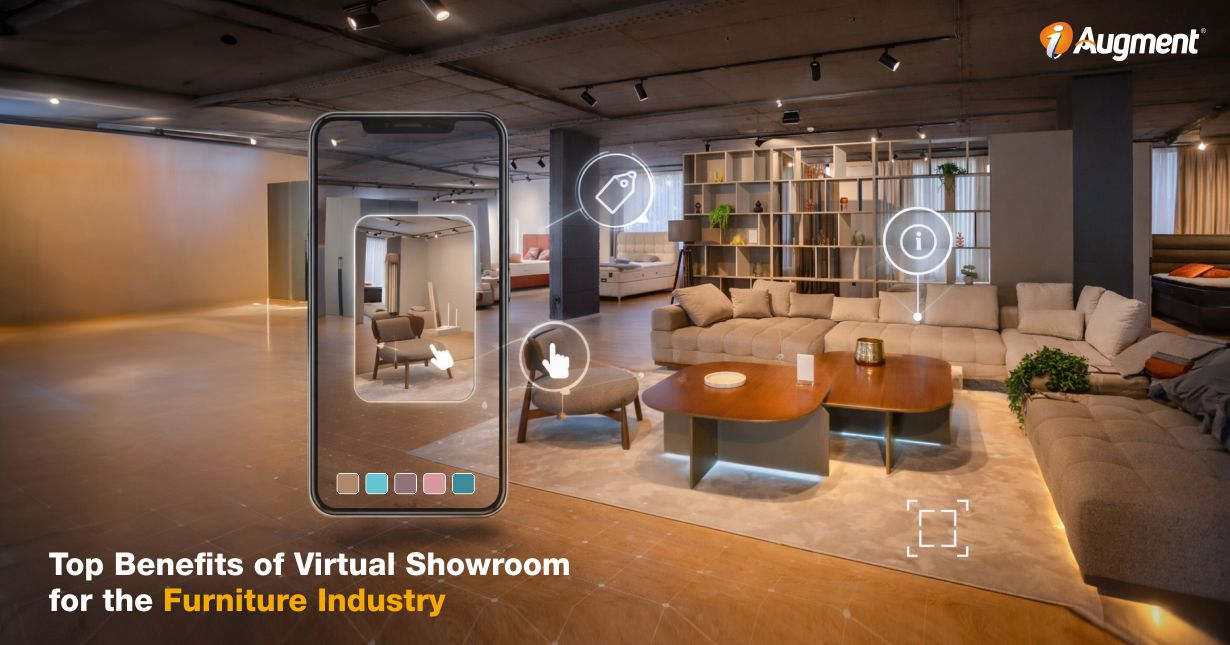
A virtual showroom for furniture replicates the physical store experience online. Customers can explore products in 3D environments, view realistic room layouts, and interact with items before purchasing.
For businesses operating in the furniture market, this technology reduces hesitation and builds purchase confidence. Many retailers also combine virtual showroom integration with visual search for furniture.
This allows customers to upload images and instantly find similar products. This improves product discovery and accelerates purchase decisions. Let us explore the major advantages of adopting virtual showrooms in the furniture industry.
Benefits of Virtual Showroom for the Furniture Industry

1. Higher Customer Experience
Customer experience is a critical factor in converting visitors into buyers. In the furniture market, this is even more important because purchases are high-value and long-term, making customer trust essential.
A virtual showroom for furniture improves digital shopping by giving customers an immersive product exploration environment. Instead of browsing flat product images, shoppers can navigate through rooms and see furniture in context.
For example, a customer searching for a sofa can walk through a digital living room setup and explore different models, fabrics, and layouts. This creates a stronger emotional connection with the product.
Brands in the furniture industry that invest in better visual experiences often see longer browsing sessions and stronger engagement.

2. Realistic Product Demonstration
One major challenge in the furniture market is demonstrating product details online. Customers want to understand scale, materials, and texture before purchasing.
Virtual showroom integration solves this problem by presenting furniture in highly detailed 3D environments. Customers can rotate products, zoom into material, and view furniture from different angles.
Learn how phygital solutions enhances retail experiences.
For example, a dining table can be placed inside a virtual dining room. Customers can see how it pairs with chairs, lighting, and flooring. This realistic demonstration reduces uncertainty.
Realistic demonstration plays an active role in solving critical challenges in online retail: How to reduce high-return rates in furniture eCommerce. When buyers clearly understand what they are purchasing, returns naturally decrease.

3. Availability
Physical showrooms have limited operating hours. Online showrooms operate all the time. Virtual showroom integration allows your furniture brand to present products 24 hours a day. Customers from different regions can explore your catalog whenever they want.
For companies operating in the global furniture market, this increased availability significantly expands the potential audience. A shopper researching a bed frame late at night can open a virtual showroom for furniture and explore different bedroom setups instantly.
When combined with visual search for furniture, they can also discover products similar to items they already like. Continuous access helps furniture brands capture interest at the exact moment when customers are ready to research products.

4. Cost-Effective Product Display
Traditional showrooms require a high investment. Rent, interior design, lighting, staffing, and maintenance costs add up quickly. Virtual showroom integration allows furniture brands to present large catalogs without physical space limitations.
Hundreds of products can be displayed digitally without building additional showrooms. For businesses competing in the furniture market, this approach lowers marketing and display costs.
A virtual showroom for furniture can showcase sofas, tables, cabinets, and decor inside digital room layouts. Customers get the same inspiration that physical showrooms provide. Brands also integrate visual search for furniture so customers can find items faster inside the catalogs.
Cost savings allow companies in the furniture industry to invest more in product development and digital marketing.
Find out the top virtual showroom providing companies.

5. Sustainability and Eco-Friendly Retail
Sustainability has become a major topic in the furniture market. Customers increasingly prefer brands that reduce environmental impact. Virtual showroom integration supports this shift in multiple ways.
First, fewer physical showrooms mean lower construction and operational resources. Second, digital product demonstrations reduce the need for large physical display inventories. When customers explore a virtual showroom for furniture, they can evaluate products without visiting multiple stores.
This reduces travel and resource consumption. Many brands also integrate visual searches for furniture within the virtual showroom environment to help find products faster. Efficient discovery reduces unnecessary production and shipping.
For companies in the furniture industry, sustainability also improves brand perception and customer loyalty.
Boost sales with a virtual showroom

6. Shopping Convenience
Convenience plays a major role in the modern furniture market. Customers want quick product discovery and easy comparison. Virtual showroom integration allows customers to explore furniture layouts from their homes.
They can view living room collections, bedroom sets, and office furniture within minutes. For example, a user planning a home office can browse a virtual showroom for furniture and compare desk styles instantly.
Visual search for furniture also improves convenience. Customers can upload a photo of a chair they like and see similar items displayed in a digital environment.
Convenience also supports an important question many retailers ask: how to reduce high return rates in furniture eCommerce. When customers explore furniture in realistic settings, they make more confident buying decisions.
Study the application of online showrooms in the digital world.

7. Accessibility for Wider Audiences
Accessibility plays a key role in the digital transformation of the furniture industry. Not every customer can visit a physical showroom. Distance, mobility challenges, or busy schedules may prevent store visits.
Virtual showroom integration removes these barriers. Anyone with an internet connection can explore products from anywhere. For global brands in the furniture market, this expands the potential customer base significantly.
Customers can explore a virtual showroom for furniture using laptops, tablets, or smartphones. Combined with visual search for furniture, product discovery becomes easier for new buyers who may not know exact product names.
Accessibility helps brands reach younger digital audiences who prefer visual and interactive shopping experiences.

8. Real-Time Data and Analytics
One advantage of digital environments is the ability to collect detailed behavioral data. Virtual showroom integration allows brands to track how customers interact with products inside the showroom.
Retailers in the furniture market can measure:
Which furniture items receive the most views.
Which room layouts attract attention
How long customers interact with products
This information helps companies in the furniture industry understand buying behavior more accurately. For example, if a virtual showroom for furniture shows that customers spend more time viewing sectional sofas, retailers may expand that category.
Learn why you need a virtual showroom for tiles business.
Visual search for furniture also generates valuable insights about popular styles and design trends. Data-driven decisions improve marketing strategies and product development.

9. Multi-Device Compatibility
Customers use many devices while researching furniture products. Some start browsing on mobile devices and complete purchases later on laptops. Virtual showroom integration supports multi-device experiences.
A virtual showroom for furniture can run on smartphones, tablets, desktops, and even smart TVs. Customers can explore products in the format that suits them best.
When integrated with visual search for furniture, mobile users can upload images directly from their phone gallery and discover similar furniture items instantly. Brands in the furniture industry benefit because customers remain engaged across multiple devices during the buying journey.
This consistency improves user confidence and encourages longer product exploration sessions.

10. Reduced Overhead Cost
Operating physical stores is expensive. Rent, inventory, management utilities, and staffing can impact profit margins. Virtual showroom integration allows companies in the furniture market to reduce dependence on large physical spaces.
Retailers can maintain smaller showrooms while showcasing full catalogs online through a virtual showroom for furniture. Customers explore multiple product categories digitally before visiting a store or completing purchases online.
Visual search for furniture also reduces the time customers spend browsing through long catalogs. They quickly find relevant products based on images. Lower operational expenses give brands in the furniture industry the flexibility to scale faster in competitive markets.
Understand why virtual showrooms are essential for retail brands.

11. Customization and Personalization
Personalization improves product engagement. Customers like seeing furniture that matches their taste and interior style. Virtual showroom integration allows brands to present customizable product experiences.
Inside a virtual showroom for furniture, customers can experiment with colors, fabrics, and layouts. They can place different furniture items inside digital room designs to evaluate combinations.
Visual search for furniture also contributes to personalization. A customer who uploads an image of a Scandinavian-style chair will see similar furniture designs. For brands in the furniture market, Personalization increases engagement and helps customers make faster purchase decisions.
Better visualization also supports the challenge of how to reduce high return rated in furniture eCommerce, because buyers clearly understand what they are ordering.

12. Increases ROI
Technology investments must deliver measurable business results. Virtual showroom integration often improves return on investment through multiple factors. First, immersive experiences increase conversion rates.
Customers who interact with furniture in 3D environments are more confident buyers. Second, product discovery becomes easier when visual search for furniture is available. Third, reduced return rates improve profitability.
A well-designed virtual showroom for furniture attracts more organic traffic, increases engagement, and boosts sales performance. For companies competing in the furniture market, this combination leads to stronger digital revenue growth.

13. Checkout Links
A strong advantage of virtual showroom integration is the ability to place purchase links directly inside the showroom. When customers explore a virtual showroom for furniture, they can click on products and instantly view pricing, specifications, and checkout options.
This reduces friction in the buying journey. For example, a customer exploring a virtual living room can click on a coffee table and move directly to the product page. Visual search for furniture can also guide shoppers to the correct product within the showroom.
This approach shortens the path between product discovery and purchase. Retailers in the furniture industry often see improved conversion rates when buying actions are embedded inside immersive environments.

14. Adaptability
Technology adoption often determines which companies lead innovation in the furniture industry. Virtual showroom integration has become easier to implement because modern platforms support 3D visualization and web-based interactive environments.
Even mid-sized companies in the furniture market can deploy a virtual showroom for furniture without large infrastructure investments. Many retailers integrate visual search for furniture at the same time to improve product discovery.
As consumers’ expectations shift toward visual shopping experiences, brands that adopt these technologies earlier gain a competitive advantage. Virtual showrooms will likely become a standard digital retail feature across the furniture industry.
Learn how virtual showrooms help reduce churn rates.
Conclusion
The digital transformation of the furniture market is accelerating rapidly. Customers expect immersive shopping experiences that help them visualize products before purchasing. Virtual showroom integration helps furniture brands deliver this experience through interactive product exploration, realistic demonstrations, and personalized browsing.
A virtual showroom for furniture allows customers to explore entire product collections from their homes, while visual search for furniture simplifies product browsing.
For businesses in the furniture industry, these capabilities lead to higher engagement, stronger purchase confidence, and better conversion rates. They also help address a critical challenge faced by many retailers: How to reduce high return rates in furniture eCommerce.
If you want your furniture brand to compete in the evolving furniture market, adopting virtual showroom technology can become a powerful step toward better customer experience, stronger sales performance, and long-term digital growth.
Frequently Asked Questions
Q. What is virtual showroom integration, and how does it work for furniture websites?
A. Virtual showroom integration allows a furniture website to present products inside interactive digital environments instead of static product pages. Customers can explore rooms, rotate furniture in 3D, zoom into materials, and view items from different angles.
This approach recreates the experience of visiting a physical store within the online furniture market. A virtual showroom for furniture often connects directly with product pages, pricing, and checkout links.
Many brands also integrate visual search for furniture so users can upload an image and discover similar products displayed inside the showroom environment.
Q. Why is the furniture industry adopting virtual showrooms for online product display?
A. The furniture industry is adopting virtual showrooms because customers want better visualization before buying large products online. A virtual showroom for furniture allows shoppers to see how items look in realistic room layouts, which builds confidence in purchasing decisions.
This improves engagement and reduces hesitation in the furniture market. Virtual showroom integration also allows brands to display larger catalogs without physical showroom limits.
When combined with visual search for furniture, customers can quickly discover products that match their style, which improves the overall digital shopping experience.
Q. What technologies are required to implement virtual showroom integration on a furniture eCommerce website?
A. Several technologies support virtual showroom integration on furniture websites. The most common include 3D product modeling, WebGL-based rendering, and interactive digital environments.
These technologies allow brands to create a virtual showroom for furniture where customers can explore products visually. Many platforms also use augmented reality features that help users place furniture inside their own rooms.
In the modern furniture market, retailers often add visual search for furniture powered by AI image recognition. This technology allows customers to upload images and find similar products instantly inside the showroom.
Q. What is the difference between a traditional furniture catalog and a virtual showroom for furniture?
A. A traditional catalog presents furniture through static images and product descriptions. Customers scroll through pages and compare items individually. A virtual showroom for furniture offers a more immersive experience.
Customers can explore full room layouts and view how different pieces work together. Virtual showroom integration allows shoppers to rotate products, zoom into materials, and interact with furniture before purchasing.
This experience improves engagement across the furniture market. When visual search for furniture is also available, users can discover products faster by uploading images instead of browsing long catalogs.
Q. How can furniture brands combine visual search for furniture with virtual showrooms?
A. Furniture brands can connect visual search for furniture directly with their virtual showroom integration. Customers upload a photo of furniture they like, and the system analyzes the image using AI.
The platform then shows similar products inside the virtual showroom for furniture. Instead of browsing long product lists, users explore relevant items placed within digital room setups. This approach improves product discovery in the competitive furniture market.
It also helps customers evaluate style, color, and layout in a realistic environment before making a purchase decision.