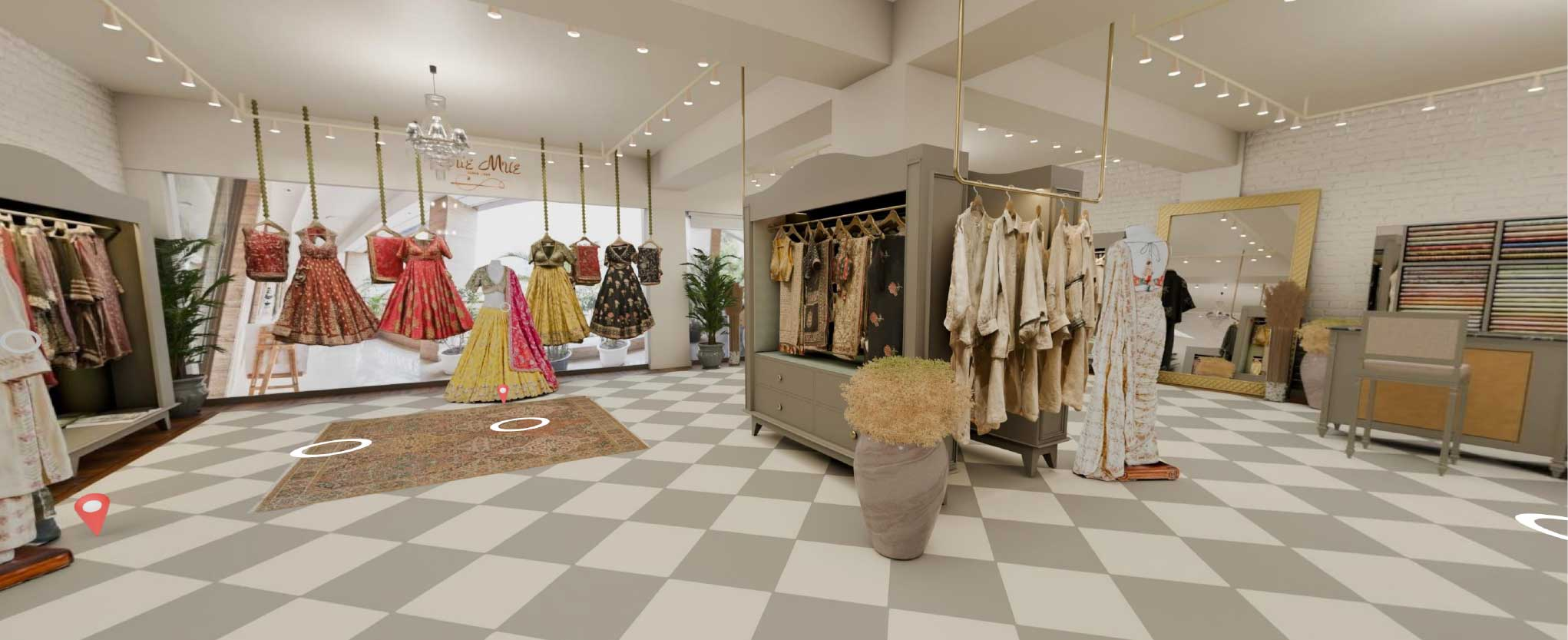
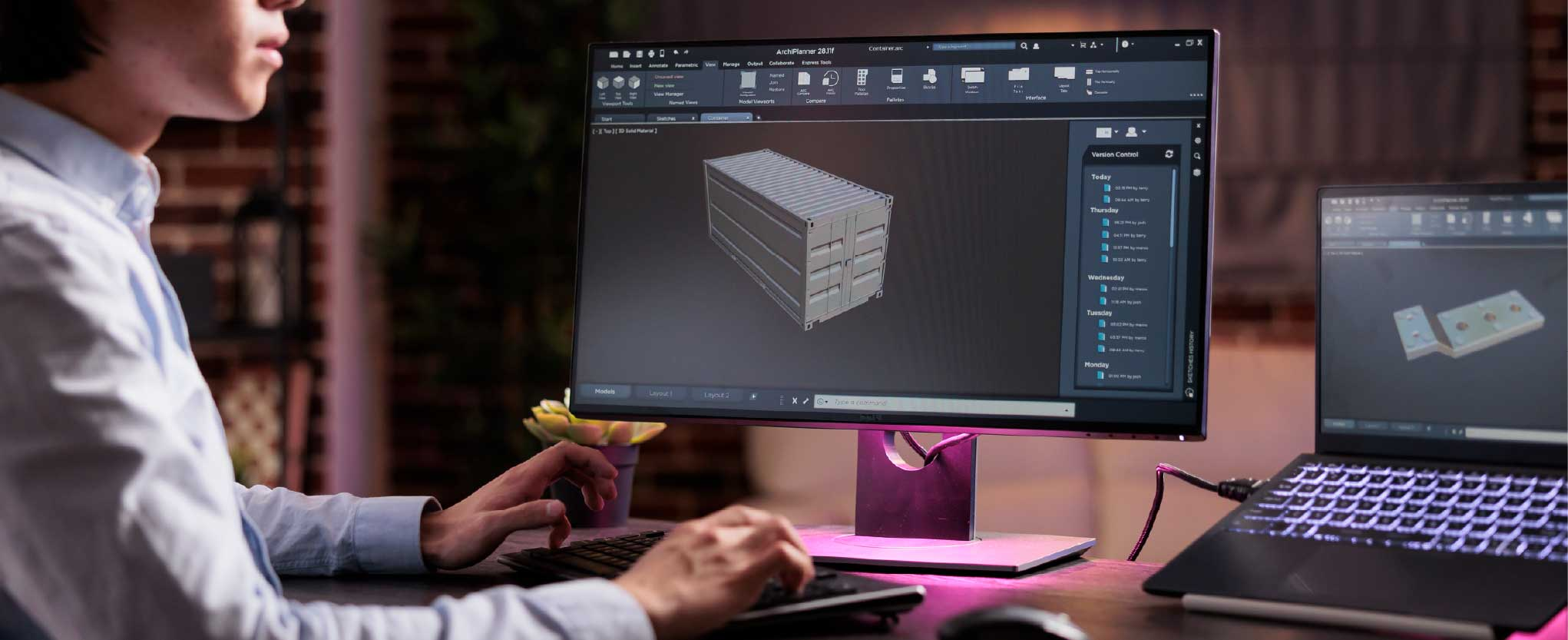
Virtual reality for real estate is reshaping how buyers and sellers connect in the digital world. Traditional methods are time-consuming, which are either a physical visit to the site or some static images or video walkthroughs, which fail to capture the true essence of the property.
These approaches struggle to help buyers visualize spaces, while sellers face challenges in reaching a wider audience without physical site visits. This gap creates a growing need for immersive digital solutions that replicate real-world property experiences.
That’s where virtual showrooms come in. It blends technology with visualization. These platforms use real estate VR to transform property exploration into an engaging, life-like experience.
This blog will cover how virtual reality in real estate drives higher sales, how it builds an immersive environment, its benefits for buyers and sellers, and why every modern real estate business should adopt it to stay competitive
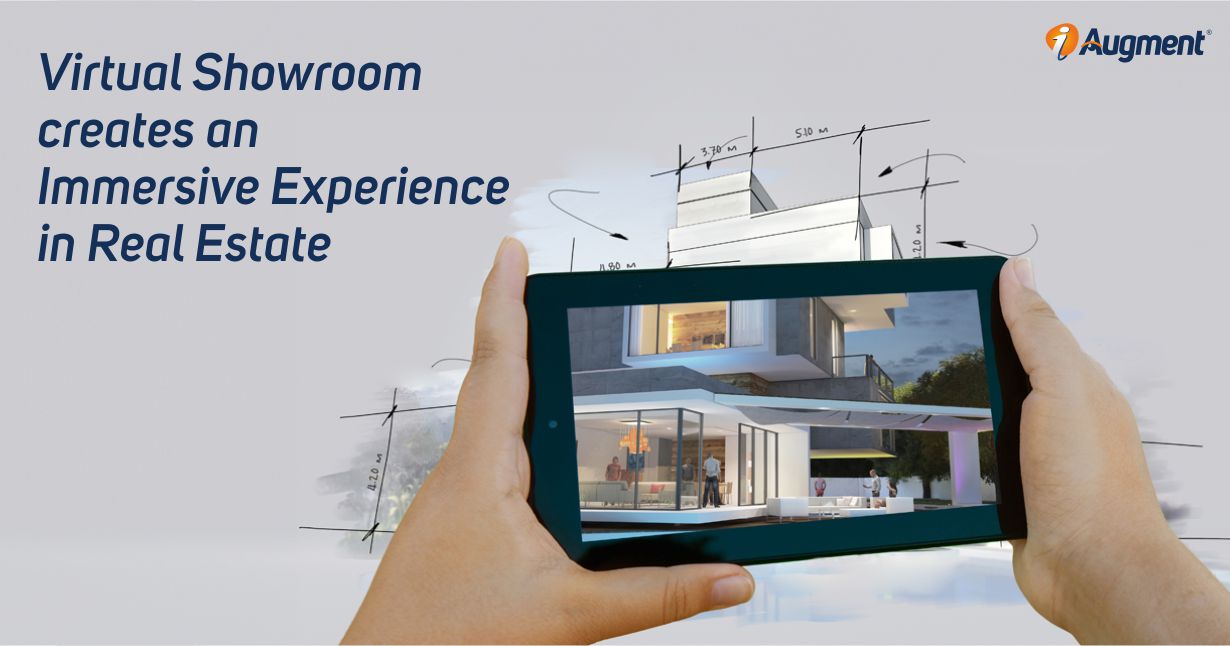
Why Virtual Reality in Real Estate Drives Higher Sales
The real estate sector has witnessed a massive shift in recent years. According to a report by Statista, the global virtual reality for real estate market is projected to reach over $2.6 billion by 2025. It is growing at a steady pace as more developers and agents are adopting this tech.
According to a Zillow consumer trends survey revealed that listings with 3D and VR experiences attract up to 50% more qualified leads and close sales 20% faster compared to traditional listings. The growth is driven by buyers’ increasing desire to “experience” a property before a visit.
However, during and after the pandemic, buyers’ behavior has changed, and they are now accustomed to virtual interaction. Today, over 70% of property buyers prefer starting their home search with a virtual reality tour for real estate rather than physical location visits.
Learn how phygital solutions enhance retail experience.
The reasons are simple:
- Convenience:Buyers can tour multiple properties anytime, anywhere.
- Trust:VR gives them a realistic view of dimensions, layout, and lighting.
- Speed:Faster decision-making leads to quicker deal closures.
For real estate professionals, this means less time spent on physical showings, more qualified leads, and a higher conversion rate. Virtual showrooms not only increase sales potential but also improve brand reputation by presenting properties in a modern and professional way.
Create Immersive Property Experiences
How Virtual Showroom Creates an Immersive Experience

1. Interactive Exploration
Unlike standard property images, virtual showrooms let buyers interact with every aspect of a property. They can “walk through” rooms, halls, and living areas, and explore every corner that static visuals can’t reveal.
Study everything you need to know about 3D development.
This interactive exploration engages the buyer emotionally and mentally, giving them a real sense of ownership even before they make an offer. Agents can even embed clickable elements within the tour, such as floor plans, feature highlights, or pricing details. This creates a truly interactive digital experience that mirrors a real visit.
2. 360-Degree Panoramic Views
360-degree tour for real estate allows potential buyers to view a property from all angles. This panoramic visualization removes the limitations of flat photos and helps users understand the property’s flow and proportions better.
Whether it’s viewing the city’s skyline from a balcony, assessing sunlight in the living room, or checking proximity to outdoor spaces, 360-degree panoramic views deliver a transparent and satisfying exploration experience.
Find out everything you should know about visual commerce.
For builders, this is an excellent way to present luxury projects or off-plan properties long before physical construction is completed.


3. VR Headset Integration
With VR headset integration, the immersive factor reaches new heights. Buyers can wear a headset and virtually “step inside” the property, moving through it as if they were physically there. This is valuable for international buyers or investors who can’t visit the site in person.
For real estate companies, providing real estate VR tours via headsets at the office or events can leave a lasting impression. It shows technological advancement and gives clients a “wow” factor that traditional marketing cannot achieve.
Property builders can use these VR experiences in exhibitions or investor meetings to showcase multiple projects in one compact, immersive setup.
Learn about the top virtual showroom provider companies.
4. Detailed Information
A key advantage of a virtual reality tour for real estate is the ability to embed detailed property information directly into the experience. Buyers can access room dimensions, materials used, price details, and nearby amenities with simple clicks during the tour.
This eliminates the need to flip between websites or brochures. The buyer stays engaged within the virtual environment while gathering all the facts they need. It’s like having a virtual sales assistant that guides them through every room, which improves confidence and clarity in decision-making.


5. Complete Tour Digitally
The complete tour digitally concept allows users to explore properties from anywhere, like home, office, or even while traveling. The entire buying journey, from viewing to inquiry, can happen online.
For large real estate firms, this reduces footfall at sites while keeping lead flow strong. For boutique developers, it means showcasing properties to a global audience without the high cost of physical marketing. This immersive, accessible approach makes the real estate journey smoother for all stakeholders.
Find out the top benefits of having a virtual showroom solution.
Benefits of Real Estate VR to Buyers

1. Time Saving
Time is a critical factor while buying a property. A virtual reality tour for real estate helps buyers narrow down their options without visiting every location physically. They can view 10-15 properties virtually in a single day, a process that typically takes more than a week.
This efficiency is especially valuable for buyers relocating from different cities or countries. They can shortlist homes before arriving, making their physical visits more targeted and productive.
2. Faster Decision Making
Since virtual reality for real estate gives a realistic representation of space, buyers can make confident decisions faster. They can compare layouts, visualize furniture placement, and assess room sizes more accurately than through photos or videos.
According to a Realtor.com study, properties with virtual tours receive 87% more views and lead to quicker offers, proving that visual confidence drives faster deals.
Know the application of the online showroom in the digital world.


3. Location Visualization
Buyers often find it hard to imagine what a neighborhood feels like. With real estate VR, they can experience amenities, green spaces, and street views virtually. This location visualization helps them understand the surroundings, traffic conditions, and accessibility to essential services.
Such experiences reduce uncertainty, helping buyers connect emotionally to a property and visualize their future lifestyle there.
Benefits to Sellers

1. Wider Reach
Virtual showrooms open access to a global pool of potential buyers. By offering virtual reality in real estate, sellers can attract international investors or NRI buyers without arranging physical site visits.
This wider reach makes real estate marketing borderless and scalable. A developer in Mumbai or Miami can now showcase their projects to clients worldwide in real time.
2. Increased Engagement
Engagement is the heart of successful property sales. A static brochure cannot compete with an interactive virtual reality tour for real estate that lets buyers explore spaces freely. The immersive experience increases on-page time, click-through rates, and lead retention.
For sellers, that translates to higher visibility, stronger recall, and a better return on digital marketing investment.


3. Build Trust
Transparency builds trust. When buyers can explore properties virtually, they feel more confident in their purchase decisions. They know exactly what to expect, reducing the chances of post-visit disappointments.
This honest-driven experience positions sellers as credible and customer-centric. It also minimizes the chances of negotiation drop-offs, as buyers already have a clear understanding of the property’s value.
Understand the need for a virtual showroom for a tile business.
Why Virtual Reality for Your Real Estate Business
The real estate market is becoming more competitive every year. Adopting virtual reality for real estate is no longer optional; it’s a strategic move to stay relevant and profitable.
Here’s why it matters for your business:
- Improves Brand Image: Positions your company as modern and tech-savvy.
- Attracts Quality Leads:People who engage with VR tours are serious buyers.
- Reduces Costs:Fewer site visits and printed materials lower marketing costs.
- Improves Conversion Rates:Immersive tours help close deals faster.
- Supports Off-Plan Selling:Developers can sell under-construction properties effectively using a 360-degree tour for real estate models.
- Boosts Global Sales:Reach international clients without travel constraints.
Implementing virtual reality in real estate gives you a powerful marketing edge. It helps you present properties with accuracy, emotion, and interactivity; all of which drive conversions in a digital-first market.
Learn why every retail brand needs a virtual showroom.
Show Properties Anytime, Anywhere
Conclusion
The future of property marketing lies in immersive experiences. A virtual showroom is not just a visual tool; it is a strategic growth engine that transforms how people explore and purchase properties.
By embracing virtual reality for real estate, you give buyers the ability to experience properties deeply, and you empower your sales team to close deals faster. From building trust to saving time, increasing engagement, and expanding reach, the benefits are clear.
For real estate businesses, adopting real estate VR and 360-degree tours for real estate technology is the next big step towards a smarter, more interactive future. It’s time to make your properties come alive digitally and let your buyers experience their dream home.